Lot No. LOT-5590 · offered October 9, 2026
Agricultural PolicyLot sheet
China Issues New Guideline to Strengthen Plant Variety Protections
China's authorities have released a new guideline aimed at tightening legal protections for newly developed plant varieties, targeting enforcement and registration procedures for breeders and reshaping royalty and licensing dynamics across the world's second-largest seed market.
Market notes
- China issued a new guideline to strengthen legal protections for newly developed plant varieties, per China Daily.
- China acceded to the UPOV convention in 1999 and operates one of the world's largest national seed markets.
- Multinational seed firms Bayer Crop Science, Corteva and Syngenta maintain protected-cultivar sales in the Chinese market.
- UPOV has more than 80 member countries bound by its plant breeders' rights framework.
- Full text of the new guideline, its authoring agency and implementation date have not yet been published.
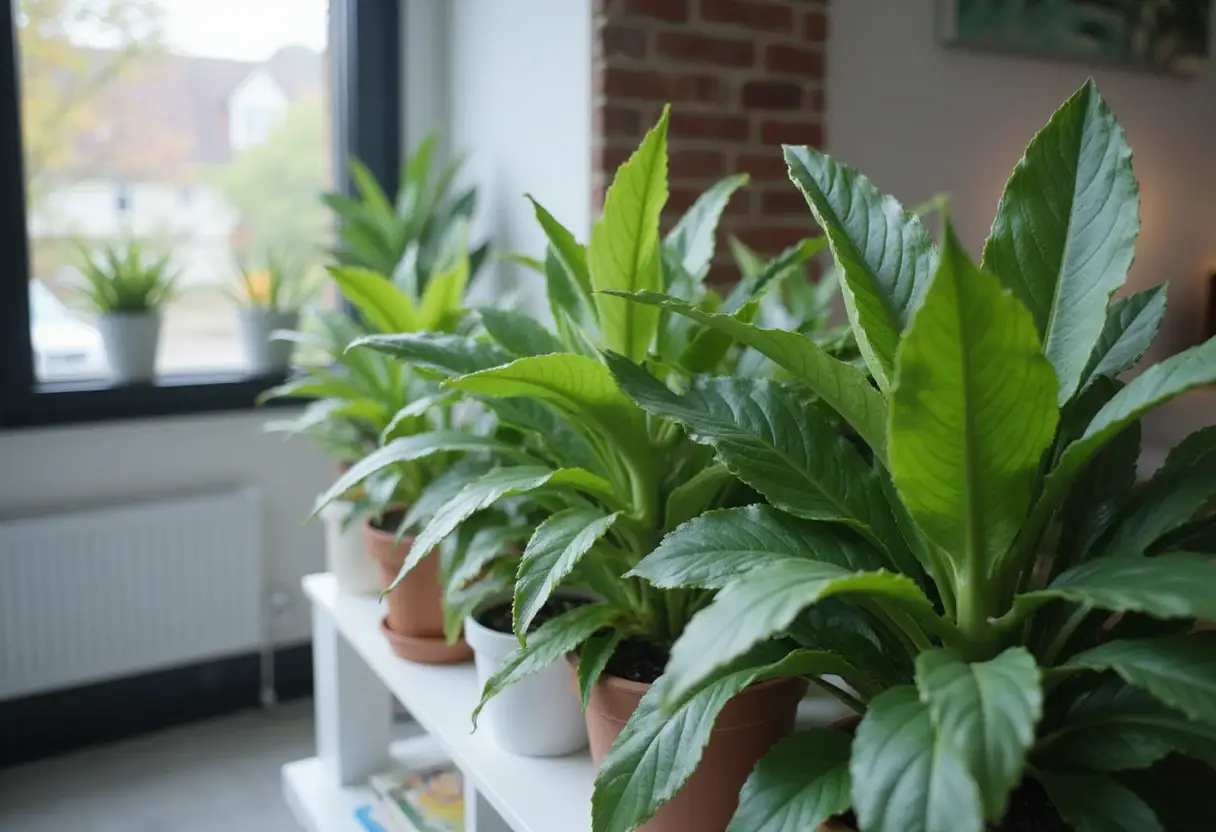
China's authorities have issued a new guideline aimed at strengthening legal protections for newly developed plant varieties, according to China Daily. The document outlines enforcement and registration procedures for breeders seeking intellectual property coverage on novel cultivars, with direct implications for seed companies operating in or exporting into the world's second-largest national seed market.
What does the guideline address?
Plant breeders' rights are the intellectual property regime that gives developers of new crop varieties exclusive commercial control over their cultivars for a defined term. The framework operates under the International Convention for the Protection of New Varieties of Plants, administered by the Geneva-based International Union for the Protection of New Varieties of Plants (UPOV). More than 80 countries belong to UPOV, and members agree to extend consistent protections to varieties developed by breeders in other member states.
Why the move matters to seed trade
China is the world's top producer of staple grains and a major destination for seed genetics from North America, Europe and South America. Multinational developers — including Bayer Crop Science, Corteva and Syngenta, each of which sells protected corn, soybean, vegetable and rice varieties in China — rely on functioning PVP enforcement to collect royalties and pursue unauthorized propagation cases. Domestic Chinese breeders have pushed for years for tighter action on farm-saved seed violations and unlicensed reproduction of protected inbred lines.
How it fits China's broader IP tightening
The release follows a multi-year build-out of agricultural intellectual property in China, including revisions to the Seed Law and a push to align domestic practice with UPOV's 1991 Act, the convention's stricter enforcement version. Chinese policy commentary has framed stronger PVP as a precondition for attracting higher-value breeding investment, particularly in corn and soybean — two crops where China remains heavily reliant on imported germplasm.
What's still unclear from the initial reporting
Full text of the new guideline has not been reviewed. The China Daily brief did not specify:
- An implementation date
- Which ministry or agency authored the document
- Whether the text aligns China with UPOV's 1991 Act rather than the 1978 Act
- The enforcement mechanism for cross-border infringement
Breeders, seed trade associations and law firms tracking Chinese PVP will need to compare the released language against the existing Seed Law and prior Ministry of Agriculture and Rural Affairs regulations before gauging the practical impact on licensing, royalty flows and litigation strategy.
Forward outlook
If the guideline moves China toward UPOV 1991 Act compliance — extending coverage to harvested material and tightening farm-saved seed exemptions — multinational seed developers could see improved royalty enforcement across Chinese acreage. The country's next round of cultivar registration decisions, typically released in the first quarter of each calendar year, will test how rapidly the new rules translate into PVP and patent examination outcomes. China's soybean and corn breeding pipelines, where foreign varieties dominate the high-yield and herbicide-tolerant segments, will be the early bellwether.
via Google News: Seed industry (Source)
More from Olivia Hart
Show full bio
News editor covering technology and product news in Agribusiness coverage for industry professionals at Agribusiness Wire.
430 articles