Lot No. LOT-4076 · offered October 9, 2026
Seeds, Crop Protection & FertilizerLot sheet
CoBank: Fertilizer Prices Likely Elevated Through 2028
CoBank projected fertilizer prices will stay elevated through 2028, extending cost pressure that has reshaped crop input budgets since the 2021 nutrient spike and squeezed farm margins.
Market notes
- CoBank projected fertilizer prices will remain elevated through 2028 in an outlook reported by World Grain.
- CoBank is a Denver-based Farm Credit System lender serving U.S. agricultural cooperatives and rural infrastructure.
- Domestic nitrogen capacity expansions typically take 36 to 48 months to ramp from announcement to output.
- USDA's monthly Agricultural Prices report is the standard benchmark for U.S. fertilizer sub-indices.
- Major publicly traded nutrient producers whose earnings disclosures signal wholesale price direction include Nutrien, CF Industries, and Mosaic.
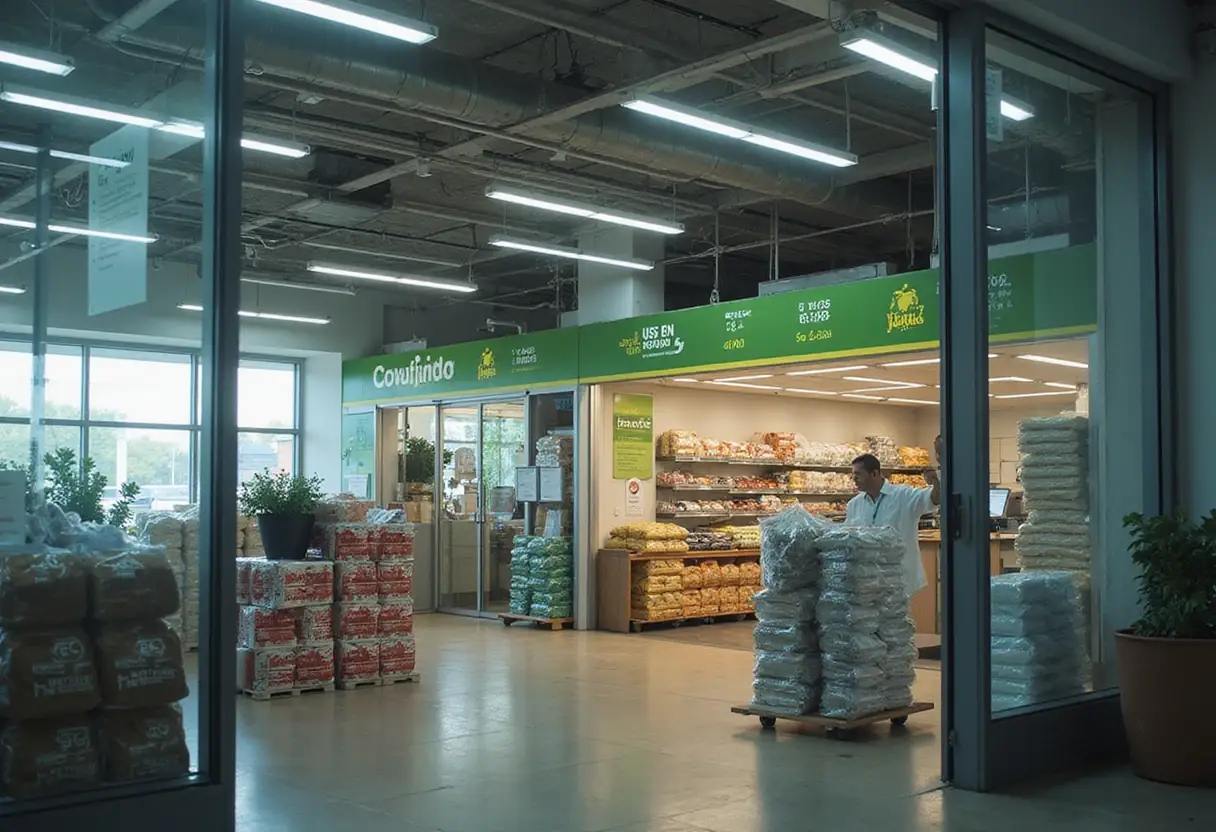
CoBank projected fertilizer prices will remain elevated through 2028 in a research outlook reported by World Grain. The multi-year horizon signals continued cost pressure for row-crop operations and the cooperative network that supplies them across the Corn Belt, Plains, and Delta.
The Denver-based lender operates as part of the Farm Credit System and finances U.S. agricultural cooperatives and rural infrastructure. Its Knowledge Exchange division publishes quarterly outlooks covering grains, animal protein, dairy, specialty crops, and the broader rural economy. World Grain, a trade publication covering grain handling, milling, and storage industries, distributed the headline in its news feed.
How does this hit farm budgets?
Fertilizer typically represents the largest non-land variable cost in a corn or wheat operating budget. Multi-year elevation forces growers to rebalance nitrogen rates, shift acreage between crops, or accept thinner operating margins. Cooperatives that blend and retail fertilizer to farmer-members face parallel margin compression, particularly on inventory locked in before price moves.
A "through 2028" timeline covers roughly three full growing seasons beyond the current one. That framing matters for retailers negotiating prepay terms and for growers structuring operating loans with input suppliers. The horizon also shapes decisions on variable-rate application equipment and cover-crop investments that can stretch nutrient efficiency.
What is driving persistent elevation?
The CoBank projection lands against a backdrop of structural shifts in global nutrient markets. Nitrogen production depends on gas-intensive processes concentrated in regions with volatile feedstock costs.
Phosphate and potash supply chains remain consolidated among a handful of major producers. Trade flows for urea, UAN, DAP, MAP, and muriate of potash have reset since the 2022 disruption in Eastern European exports, and U.S. wholesale prices have not returned to pre-pandemic ranges.
Domestic nitrogen projects announced in the Gulf Coast and upper Midwest have begun adding capacity, but the output ramp typically takes 36 to 48 months. Until that supply arrives, CoBank's researchers see limited room for a sustained price retreat.
What does this mean across crops?
Corn and wheat producers face the most direct exposure given nitrogen intensity per acre. Cotton and soybean rotations carry lower per-acre nutrient costs but still depend on phosphate and potash applications. Rice operations in the Mississippi Delta and California draw on different nitrogen sources but face similar price pressure.
Livestock and dairy operations feel a secondary effect through feed costs. Higher grain prices driven by margin compression at the crop level feed back into feed expense lines, particularly for cattle finishers and dairy operations sourcing distillers grains.
What indicators should growers watch?
Two reference points will gauge whether CoBank's 2028 projection holds. USDA's monthly Agricultural Prices report captures fertilizer sub-indices across the United States. Publicly traded nutrient producers' quarterly earnings disclosures often signal price direction ahead of broader surveys. Nutrien, CF Industries, and Mosaic publish guidance and realized prices that benchmark the wholesale market.
Retailer prepay programs running through the winter also offer early reads on spring demand. A surge in prepay uptake typically signals that growers expect higher prices ahead; a soft uptake points to expectations of relief.
What's next?
The outlook lands as fall fieldwork wraps across the Corn Belt and winter wheat stands establish in the Plains. Buyers with on-farm storage have flexibility to wait for the seasonal nitrogen price dip that historically follows the post-harvest application window, but CoBank's 2028 endpoint warns against expecting a full return to pre-pandemic price bands.
If new domestic nitrogen capacity comes online in the back half of the window, some easing is plausible. CoBank's researchers have not signaled a return to 2020 fertilizer pricing in the current outlook cycle.
via Google News: Fertilizer markets (Source)
More from Marcus Bennett
Show full bio
Senior reporter covering regulation, policy and their impact on Agribusiness coverage for industry professionals at Agribusiness Wire.
414 articles