Lot No. LOT-8235 · offered October 16, 2026
Farm MachineryLot sheet
DPA Auctions Moves Farm Equipment Deals Online, Cutting Distance
DPA Auctions says online bidding lets growers trade machinery across regions, widening both supply for buyers and demand for sellers. Condition reports and freight remain the buyer's risk.
Market notes
- DPA Auctions markets a remote-bidding model for buying and selling farm equipment
- The company says distance no longer constrains equipment transactions
- Online bidding widens the bidder pool beyond local sale-day attendance
- Buyers at distance still carry freight cost and condition-report risk
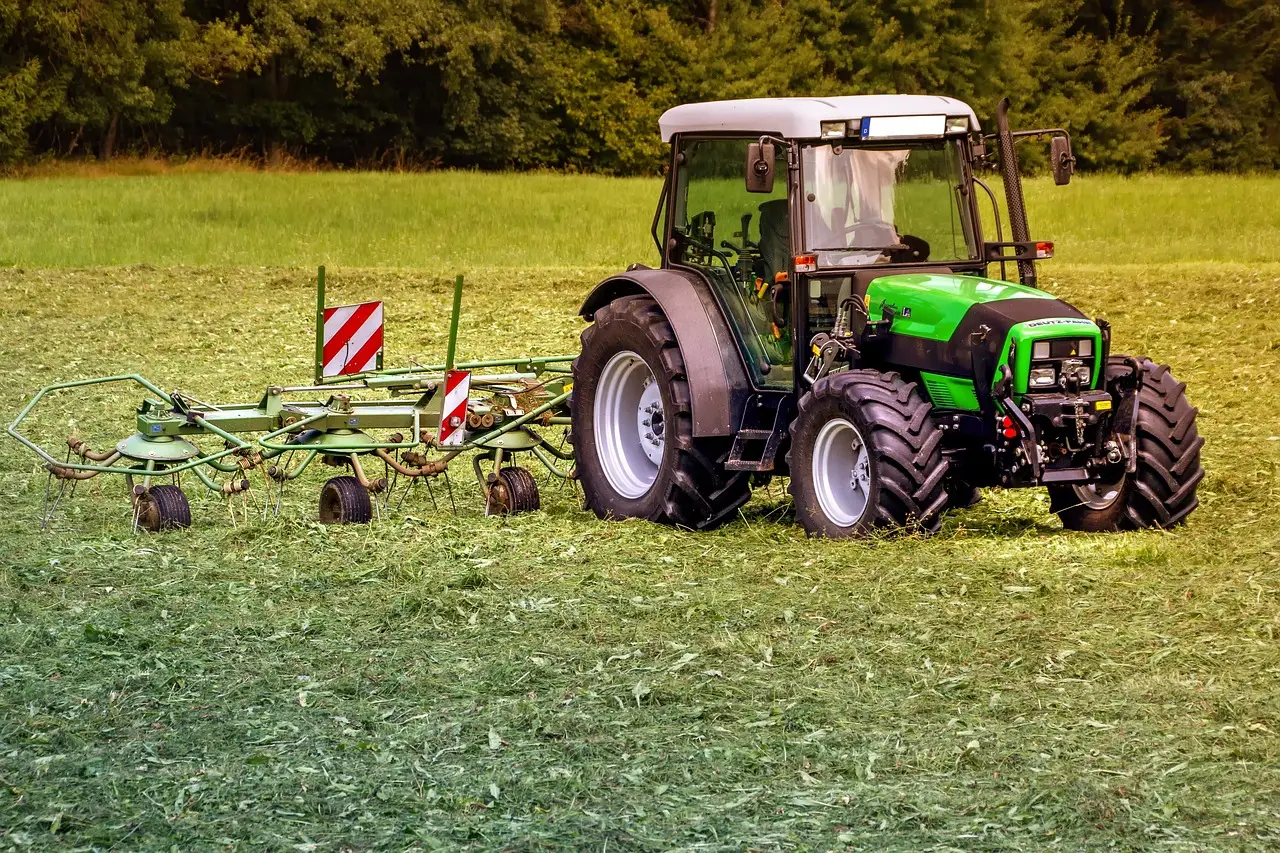
DPA Auctions has positioned itself around a single proposition: the distance between a buyer and a piece of farm equipment no longer decides whether the deal happens. The company says its auction model lets growers, dealers and consignors trade machinery across regions rather than within a local radius, a shift that changes how used equipment is priced and moved.
For most of the past century, used machinery changed hands within a tight circle — a county sale, a neighbor's fence line, a dealer lot within a half-day's haul. That geography anchored resale values. A tractor sold in one state could trade thousands of dollars apart from an identical unit two states over, simply because the pool of bidders was local. Online bidding dissolves that pool boundary. When anyone with a connection can bid, the local discount compresses and the effective market becomes national.
What does the change mean for growers?
For a producer shopping for a used combine, a seeder or a loader, the practical effect is wider supply. Instead of monitoring two or three regional sale barns, a buyer can watch listings from wherever DPA consignors operate, compare condition reports and lot descriptions, and bid without scheduling a day of travel for an inspection that may not end in a purchase.
For sellers, the same mechanism widens demand. A consignor listing through the auction house is no longer selling to whoever shows up on sale day; the company's model presumes a dispersed bidder base. That matters most for specialized equipment — high-horsepower tractors, specialty harvesters, irrigation gear — where the number of plausible buyers in any one county is small and a larger audience can be the difference between a reserve price met and a passed lot.
Where the caution belongs
Condition reporting is the load-bearing element of any remote equipment sale. A buyer who cannot walk around a machine depends on the auction house's descriptions, photographs and any inspection windows the platform provides. Producers bidding at distance should treat published condition claims the way they treat a crop condition report: as an assessment, not a harvested result. The verification comes only when the machine arrives and is put to work.
Freight is the second variable. Removing distance from the transaction does not remove it from the logistics. A winning bid on a unit several states away still carries shipping cost and timing, and buyers should fold that into a maximum bid before the auction opens rather than after the hammer falls. The arithmetic is straightforward: the bid plus haul-in must still clear the cost of a comparable machine sourced closer to home.
Payment terms, title transfer and any buyer's premiums the platform applies work the same way. Each fee is a line in the per-unit cost, and the auction format does not exempt anyone from reading the terms.
Why the model is spreading
The equipment trade has been moving in this direction for years, as auction houses and dealer networks build out online bidding alongside their physical sales. DPA's pitch — taking the distance out of buying and selling — is a statement about where the bidder base now sits: at a desk or in a truck cab, not necessarily in the seats at the sale. Dealers also use the channel to move trade-in inventory beyond their own draw area.
Watch whether the company's consignment volumes and repeat-seller activity hold up; sustained growth there would indicate the model is delivering prices that keep consignors listing rather than returning to local channels.
via Google News: Farm equipment (Source)
More from Rebecca Stone
Show full bio
Market editor covering people, launches and day-to-day practice in Agribusiness coverage for industry professionals at Agribusiness Wire.
434 articles
Also in the yard
- DPA Auctions Taps 50 Years of Sales Data to Sharpen Equipment Valuations
- Kansas Farmland Auctions Accelerate Into September
- Global Surge in Used Farm Equipment Reshapes U.S. Grower Buying
- Farm Equipment Scam Targets Growers Across the U.S.
- Late-Model Farm Equipment Inventories Climb; Prices Begin to Bend