Lot No. LOT-4179 · offered October 9, 2026
Agricultural PolicyLot sheet
Farm Bill Stalls Again as Congress Hits New Dysfunction Low
Congress hits a new level of dysfunction as the farm bill stalls and food safety oversight fails, Food Fix reports, leaving growers operating on outdated policy.
Market notes
- Congress has reached a new level of dysfunction with the farm bill and food safety failures, Food Fix reports.
- Agriculture operates on extensions of the 2018 farm bill rather than a new five-year framework.
- Program reference prices remain at 2018 levels while input costs have risen since.
- Farm bill titles cover crop insurance, commodities, nutrition and conservation.
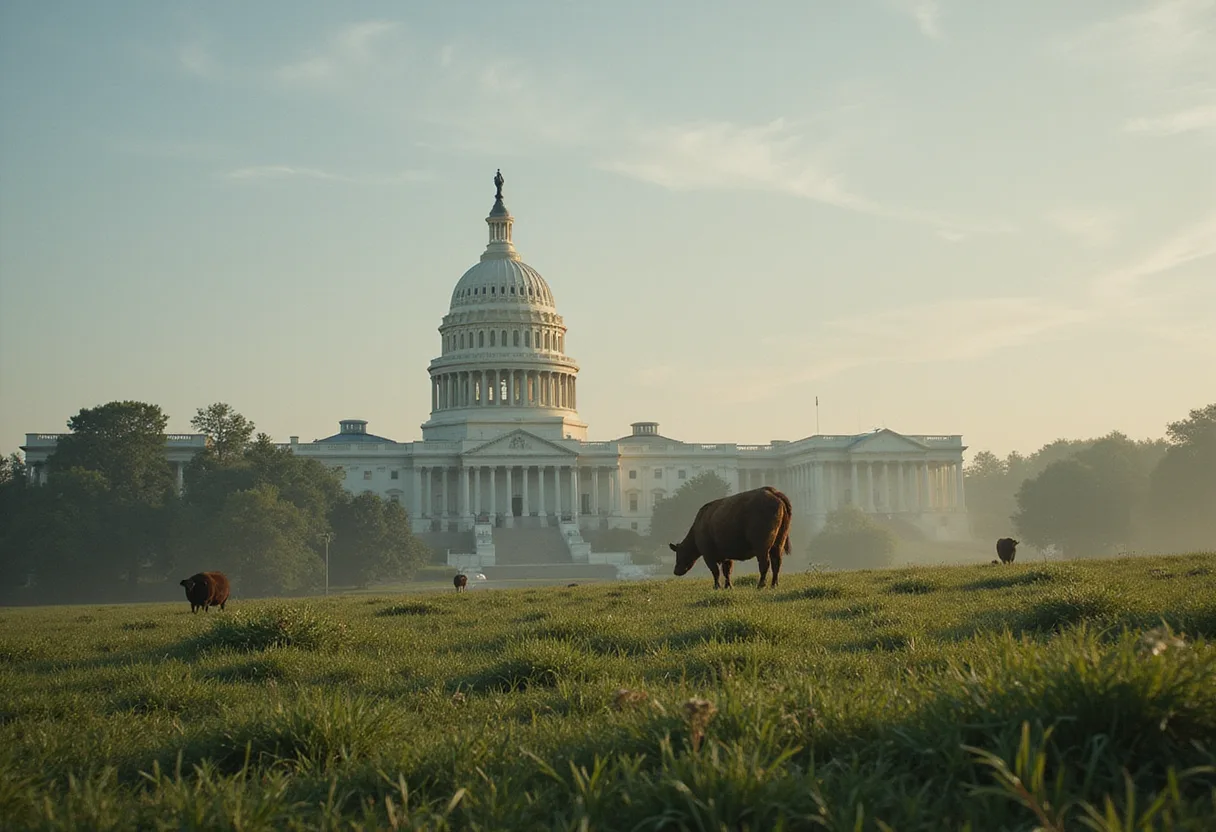
Congress has reached what observers call a new level of dysfunction, with the farm bill stalled and food safety systems failing on separate tracks, according to a report by Food Fix.
The assessment lands as the farm bill — the massive legislation covering crop insurance, commodity programs, nutrition assistance and conservation funding — remains unpassed, forcing agriculture to operate on extensions of the expired 2018 law rather than a new five-year framework.
Why does the farm bill matter to growers now?
For producers, the delay carries direct margin consequences. Without an updated bill, reference prices under the Price Loss Coverage and Agriculture Risk Coverage programs stay at 2018 levels, even as input costs for fertilizer, seed, crop protection chemicals and machinery have climbed sharply since then.
That gap between static program support and rising production costs squeezes farm margins at exactly the moment many operations face tighter working capital and higher borrowing costs.
Crop insurance, the most widely used federal risk tool in agriculture, also awaits policy adjustments that only a new farm bill can deliver. Growers and their lenders plan around these programs months in advance, and prolonged uncertainty complicates financing decisions for the coming planting cycle.
How are food safety systems failing?
Food Fix pairs the farm bill breakdown with what it describes as broader food safety failures — a characterization of congressional inaction that extends beyond farm policy into the oversight apparatus that consumers and food companies rely on.
The combination, the outlet argues, marks not routine legislative friction but a qualitative deterioration in Congress's ability to perform basic functions affecting the food system.
Who is affected?
The stakeholder map is wide. Farm groups and commodity organizations have lobbied for a new bill that raises reference prices and strengthens the commodity title. Nutrition advocates watch the Supplemental Nutrition Assistance Program title, the largest single share of farm bill spending. Conservation programs, popular with row-crop and livestock producers alike, face enrollment backlogs without fresh authorization.
Food safety failures compound the picture for processors, retailers and consumers, adding regulatory risk on top of the policy vacuum in farm programs.
What happens next?
Food Fix's assessment suggests the window for a full five-year farm bill keeps narrowing, raising the prospect of another extension rather than comprehensive reauthorization — a outcome that would leave program parameters frozen while input costs keep moving.
via Google News: Farm bill and ag policy (Source)
More from Marcus Bennett
Show full bio
Senior reporter covering regulation, policy and their impact on Agribusiness coverage for industry professionals at Agribusiness Wire.
410 articles
Also in the yard
- Farm Bill Talks Move Out of Public View as Deadlines Press
- Farm Bill Stalemate Drags On, Farmdoc Daily Warns of Risk
- Farm Bill Deadline Passes Without New Bill as Colorado Grower Flags Rising Costs
- Senate Farm Bill Stalls, Leaving Growers in Policy Limbo
- Wheat Growers Tell Congress: Farm Bill Delay Threatens Family Farms