Lot No. LOT-6357 · offered October 9, 2026
Seeds, Crop Protection & FertilizerLot sheet
Fertilizer prices projected to stay above pre-Iran-war levels through 2028
A Farmers' Advance headline projects fertilizer prices will stay above pre-Iran-war levels through 2028, signaling a multi-year premium for nitrogen, phosphate and potash buyers.
Market notes
- Fertilizer prices are projected to remain above pre-Iran-war levels through 2028
- The premium window covers roughly three to four years beyond the current 2024-25 marketing year
- Iran ranks among the world's significant exporters of urea and ammonia, linking Middle East developments directly to nitrogen markets
- The Farmers' Advance headline does not identify specific products, price gaps, regions, analysts or methodology behind the 2028 endpoint
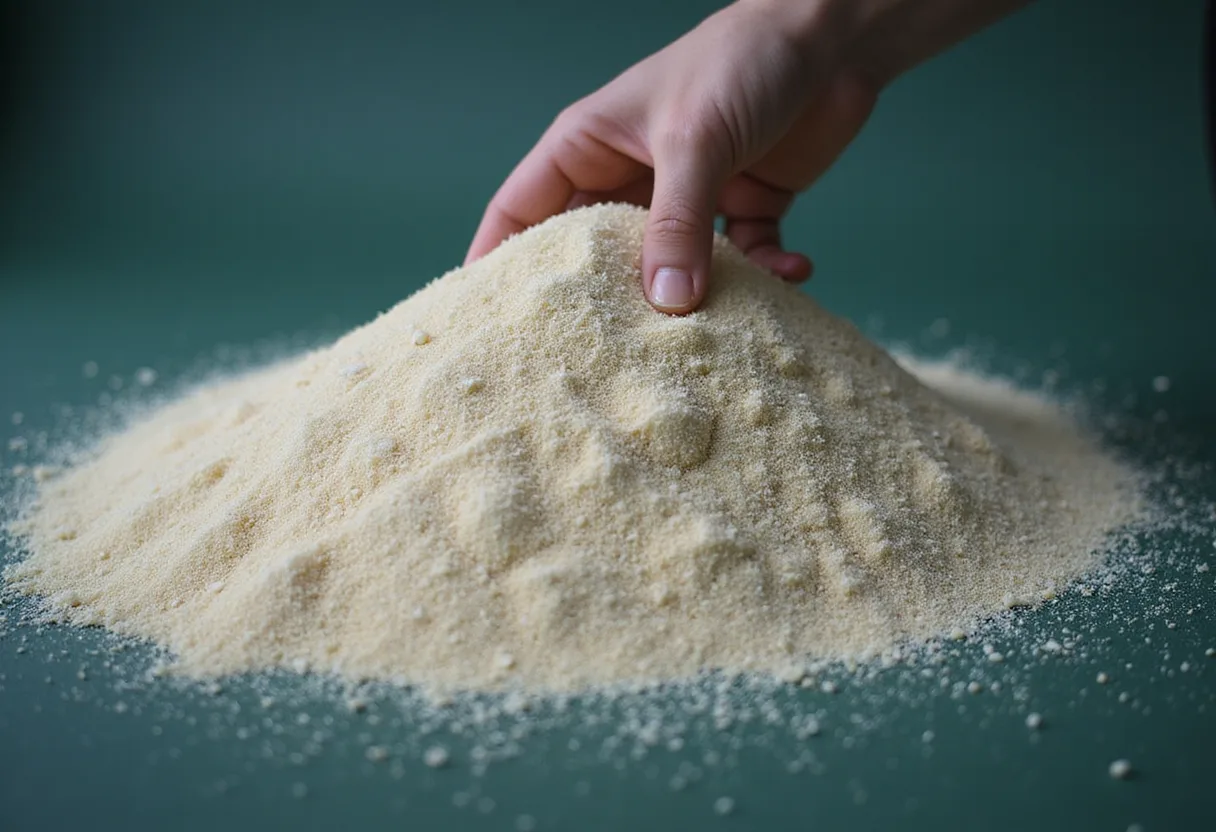
Fertilizer prices are projected to remain above pre-Iran-war levels through 2028, according to a Farmers' Advance headline reviewed by Agribusiness Wire. The single-sentence indicator points to a multi-year stretch of elevated input costs that will shape nitrogen, phosphate and potash purchasing decisions across major U.S. crop production regions.
How long is the premium expected to last?
The headline pegs the elevated-price window at through 2028 — roughly three to four years beyond the current 2024-25 marketing year. For growers planning fall 2025 and spring 2026 fertilizer bookings, the implication is that pre-conflict pricing baselines built into cost-of-production calculators no longer reflect the market that retailers and wholesalers are actually quoting. Deferring purchase decisions in hopes of a return to older baselines now carries execution risk.
What does "pre-Iran-war levels" mean for buyers?
The reference point anchors expectations to a price environment that existed before the most recent escalation involving Iran. Producers, retailers and cooperatives that built margin projections off those earlier benchmarks will need to revisit working budgets, hedge ratios and application timing decisions. Nutrient program choices — including rates, split applications and product substitutions — will face fresh scrutiny under a sustained price premium.
Why Iran matters to global fertilizer supply
Iran sits among the world's significant exporters of urea and ammonia, and any disruption to its production or shipping capacity tends to ripple through nitrogen markets within weeks. Phosphate and potash supplies are less directly tied to Iran, but trade-route risk, freight cost spikes and substitute-buyer behavior can transmit pressure across the entire nutrient complex. Buyers hedging urea specifically should expect tighter correlation to Middle East developments than buyers hedging DAP or potash.
Where the gaps remain
The Farmers' Advance headline does not specify which fertilizer products carry the premium, the magnitude of the gap versus the pre-war baseline, or which regions face the steepest increases. It does not name the analysts, traders or producers providing the outlook, the reporting window for the underlying survey, or the methodology behind the 2028 endpoint.
Those missing data points typically determine whether a forecast translates into a modest budget adjustment or a material shock for a given farm's nutrient program. Without them, the headline functions as a directional signal rather than an actionable procurement input.
What to watch in the full report
Growers, retailers and cooperative buyers should track four indicators when the full Farmers' Advance report becomes available:
- Product-by-product price differentials versus the pre-war baseline
- The geographic spread of any projected premium across Corn Belt, Plains and Delta production zones
- The reporting window and data source behind the 2028 horizon figure
- Any named analysts, traders or input manufacturers providing the projection
Forward outlook
Until those details surface, the headline itself is the most concrete signal on offer: fertilizer buyers should plan for input costs that do not return to pre-Iran-war benchmarks within the next three growing seasons, and adjust 2025-26 procurement budgets accordingly.
via Google News: Fertilizer markets (Source)
More from Rebecca Stone
Show full bio
Market editor covering people, launches and day-to-day practice in Agribusiness coverage for industry professionals at Agribusiness Wire.
431 articles