Lot No. LOT-9126 · offered October 9, 2026
Crop EconomicsLot sheet
Ohio 2026 Corn Harvest Opens at Average Yields, 20% Moisture
The 2026 corn harvest has officially opened across north-central Ohio, with early yield results tracking close to the average and grain moisture at 20 percent, according to grower Owen Niese.
Market notes
- The 2026 corn harvest is officially underway across north-central Ohio, according to farmer Owen Niese.
- Early yields are tracking 'right at average,' with no record-setting performance reported.
- Niese is shelling corn at 20 percent moisture and says he is 'pretty happy with that.'
- Warm, dry weather is the headline driver of harvest progress in his area.
- USDA's first survey-based Crop Production report for 2026 is scheduled for release in January.
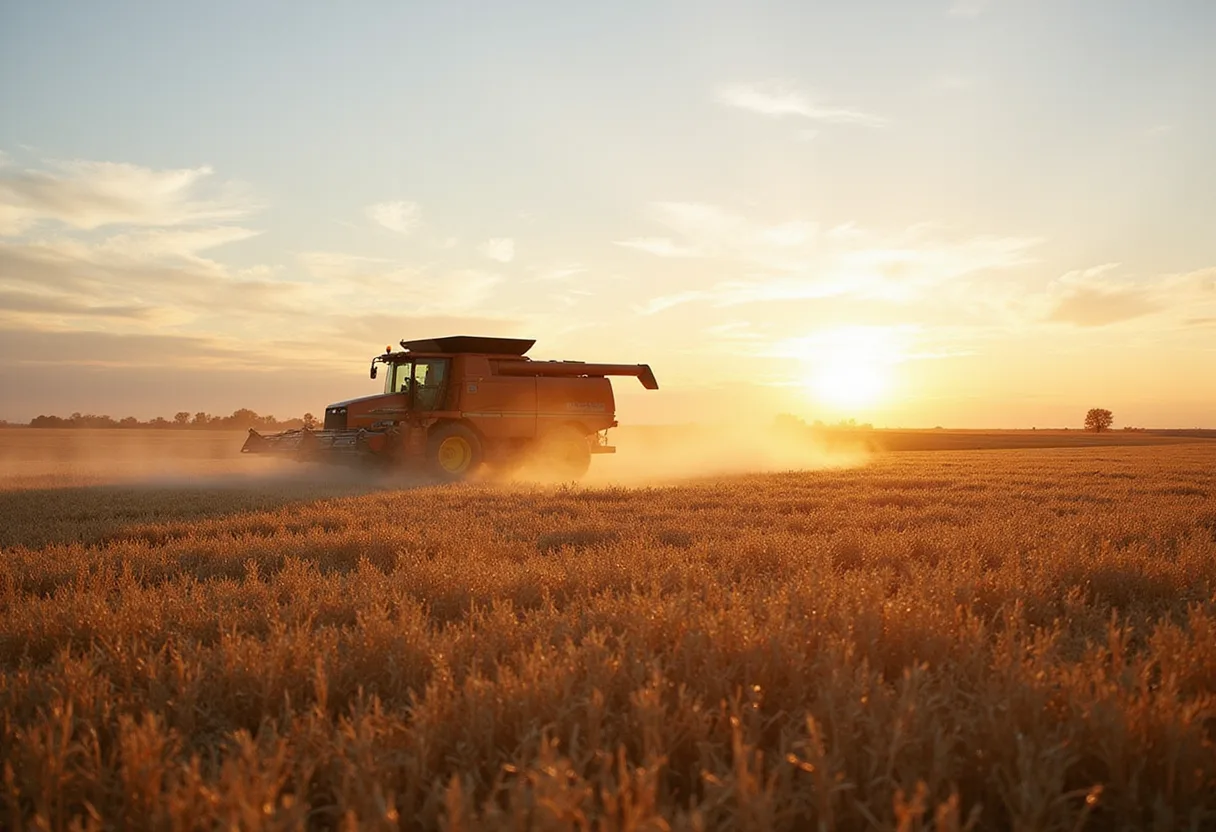
The 2026 corn harvest has officially opened across north-central Ohio, with early yield results tracking close to the multi-year average and grain moisture holding in a workable range, according to farmer Owen Niese.
"We're not going to set any records, but I would say we're right at average," Niese told Brownfield Ag News.
Niese, who farms in the north-central part of the state, said corn coming out of the field is running at 20 percent moisture — a level he considers favorable given typical pricing deductions at the elevator.
"I've been shelling 20 percent moisture corn, and I've been pretty happy with that," he said.
Warm temperatures and dry weather across the region are allowing combines to enter fields without the delays that saturated soils often bring in late summer and early fall.
What does a 20% moisture reading mean for the bottom line?
Buyers typically price and grade corn at 15 percent moisture, with shrink and drying assessments applied to anything above that threshold. A 20 percent reading, while not extreme, still places grain in the range where elevators commonly assess discounts. Growers who can let fields dry further — or who run efficient on-farm drying systems — tend to preserve more of the per-bushel price. The arithmetic becomes more important in a year when average yields limit upside in volume.
How are early yields stacking up in the state?
Niese's "right at average" assessment puts the early north-central Ohio crop roughly in line with county and state trend yields, rather than the bumper performance some Midwest growers have reported in recent seasons. Statewide USDA yield estimates for 2026 will not appear until the agency's first Crop Production report releases in January, and Niese's comments do not substitute for that survey data. For now, the picture from his fields shows a solid but unspectacular year — a result that leaves farm margins dependent on basis, local cash bids and the cost of moving grain before storage becomes a concern.
What weather variables are driving the pace?
Warm, dry conditions have been the headline driver of Niese's harvest progress. Dry grain at the head allows combines to operate at capacity, reduces fuel consumption per bushel and limits the amount of grain that must pass through a dryer before going into storage. The flip side: the same pattern can pull moisture out of the stalk and ear too quickly, dragging down test weight if harvest stretches out. With the 2026 crop now running through the combine, Niese and other growers in his area will watch the next 10-to-14-day forecast for any shift back to wet weather that could slow the pace or compromise grain quality in the field.
Looking ahead, USDA's National Agricultural Statistics Service will release its first survey-based yield and production estimates for the 2026 crop in January, and the average Niese described will meet its first hard benchmark when those reports land.
via Brownfield Ag News (Source)
More from Rebecca Stone
Show full bio
Market editor covering people, launches and day-to-day practice in Agribusiness coverage for industry professionals at Agribusiness Wire.
431 articles