Lot No. LOT-9272 · offered October 9, 2026
Trade & ExportsLot sheet
Pakistan eyes 1.5 million ton wheat import boost as prices climb
Pakistan may raise wheat imports to 1.5 million tons as domestic prices surge, according to UkrAgroConsult. The potential procurement push would mark one of the country's larger recent wheat import programs.
Market notes
- Pakistan may raise wheat imports to 1.5 million tons, per UkrAgroConsult
- Domestic wheat prices in Pakistan are surging, though the source does not specify the cause
- UkrAgroConsult's brief does not include a timeline or tender details
- Pakistan ranks among the world's largest wheat consumers and has historically targeted self-sufficiency
- Major origins competing for South Asian tenders include Russia, Ukraine, Australia, and Romania
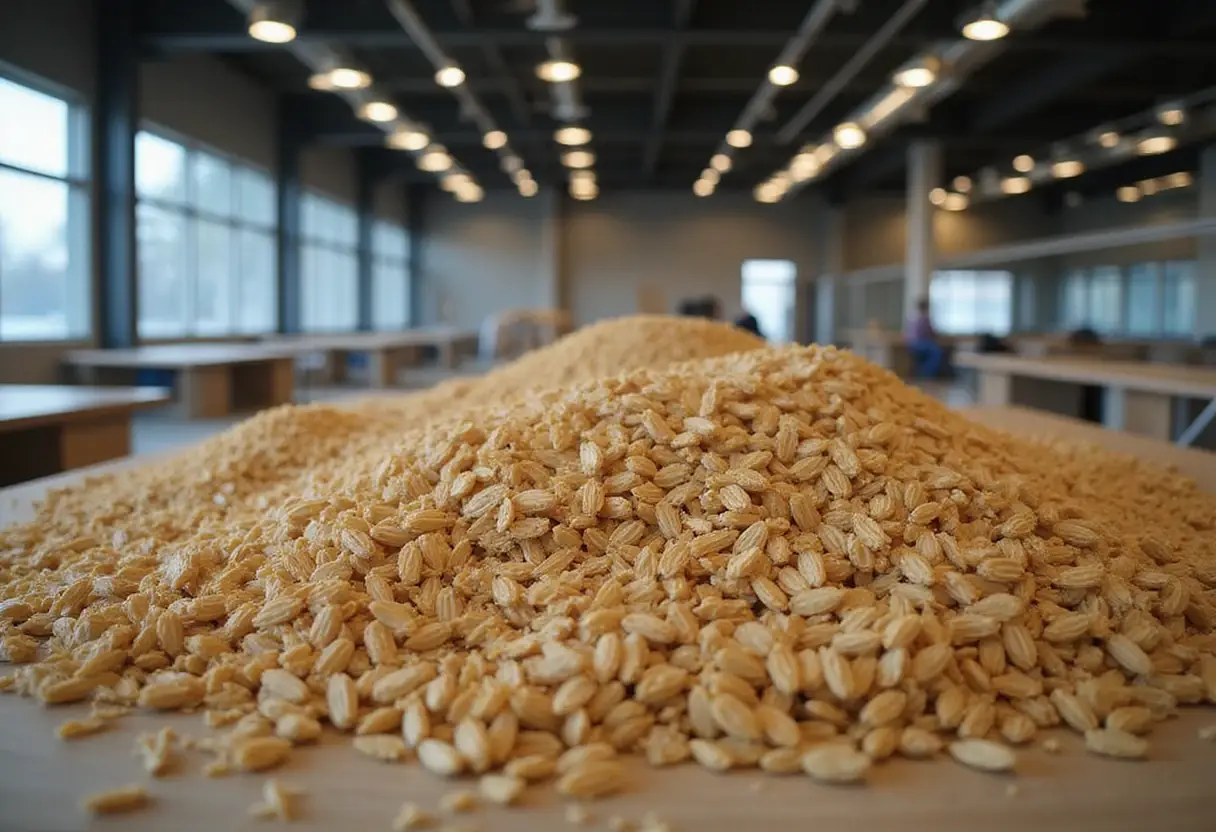
Pakistan may scale up wheat imports to as much as 1.5 million tons as domestic prices climb, according to UkrAgroConsult, the Ukrainian agricultural consultancy.
The potential volume would mark one of the larger Pakistani wheat procurement pushes in recent years. Pakistan, the world's fifth-most-populous nation, sits among the top wheat-consuming countries and has historically aimed at self-sufficiency in its staple grain, tapping international markets only to bridge specific shortfalls.
Why would Islamabad open the import tap?
A jump to 1.5 million tons would signal concern about the adequacy of this year's domestic harvest, drawdown of strategic reserves, or both. The government typically manages wheat through a combination of PASSCO procurement, the State Trading Corporation of Pakistan, and authorized private importers. When domestic prices spike, authorities often accelerate tenders to relieve pressure on flour millers and consumers.
Pakistani officials have not publicly confirmed the import plan as of the latest reporting, and UkrAgroConsult's brief does not specify whether the volume would be split between government and private buyers or concentrated in a single tender round.
What is driving the price surge?
UkrAgroConsult's note points to surging prices but does not detail the underlying cause. Regional wheat markets have absorbed multiple shocks in recent seasons:
- India's periodic export restrictions on wheat
- Black Sea logistics disruptions tied to the Russia-Ukraine conflict
- Weather-driven yield losses across major exporting origins
Any of those factors can feed into South Asian import costs within weeks. Indian export curbs in particular have reshaped regional trade flows, forcing Pakistan and Bangladesh to source from the Black Sea, Australia, and Romania at higher freight costs.
What would a 1.5 million ton tender mean for exporters?
A confirmed Pakistani tender of that size would draw offers from Russia, Ukraine, Australia, and Romania — the four origins that have dominated recent South Asian bookings. Russian and Ukrainian wheat have typically priced most competitively for nearby delivery, though payment logistics, phytosanitary rules, and shipping windows from Black Sea ports complicate execution.
Benchmark Paris milling wheat futures and Chicago Board of Trade wheat contracts generally respond to large South Asian tenders within hours, given the region's outsized role in shaping global import demand.
What should traders watch next?
Market participants will look for confirmation through formal tender announcements from PASSCO or Pakistan's Ministry of National Food Security. Key signals include:
- Delivery period and shipment windows
- Quality specifications, particularly protein content and bug damage tolerances
- Whether the volume is split into multiple awards or concentrated in one round
- Currency provisions, given the Pakistani rupee's volatility against the dollar
Any sign of accelerated private-sector buying under existing import permits would also point to government concern about the pace of price increases.
What is the broader market context?
A confirmed Pakistani import ramp would add another demand pillar to a global wheat balance sheet already drawing scrutiny over weather stress in the U.S. winter wheat belt, planting prospects across the Black Sea region, and dry conditions in parts of Australia. Analysts will weigh whether the 1.5-million-ton figure represents incremental demand or simply front-loading of an already-planned procurement program.
Until Islamabad confirms the volume through a formal tender or official statement, the 1.5-million-ton figure remains an indicative signal that domestic price pressure has reached a threshold requiring external supply.
via Google News: Grain prices (Source)
More from Rebecca Stone
Show full bio
Market editor covering people, launches and day-to-day practice in Agribusiness coverage for industry professionals at Agribusiness Wire.
431 articles
Also in the yard
- Pakistan Government Pushes Wheat Seed Price Cuts Ahead of Sowing
- Resellers Pay $60/t for Russian Wheat That Costs $132–156/t to Grow
- Russia Scraps Grain Export Duties, Easing Barriers to Global Trade
- Weak Export Demand Keeps Ukrainian Barley Prices Under Pressure
- Saudi Arabia Lifts Wheat Imports 28% as Prices Climb