Lot No. LOT-8525 · offered October 12, 2026
Commodity MarketsLot sheet
Quality Concerns in Corn, Beans Now Driving Price Discovery
Harvest results and crop quality are key factors moving corn prices, says Allendale's Greg McBride, who flags quality concerns in corn and beans across some regions.
Market notes
- Harvest results and crop quality are among the key factors currently influencing corn prices, per Allendale ag economist Greg McBride.
- McBride says the market now has a clearer picture of this year's crop.
- He flagged quality concerns in some regions for both corn and beans.
- Quality discounts directly reduce farm margins on top of input costs already incurred this season.
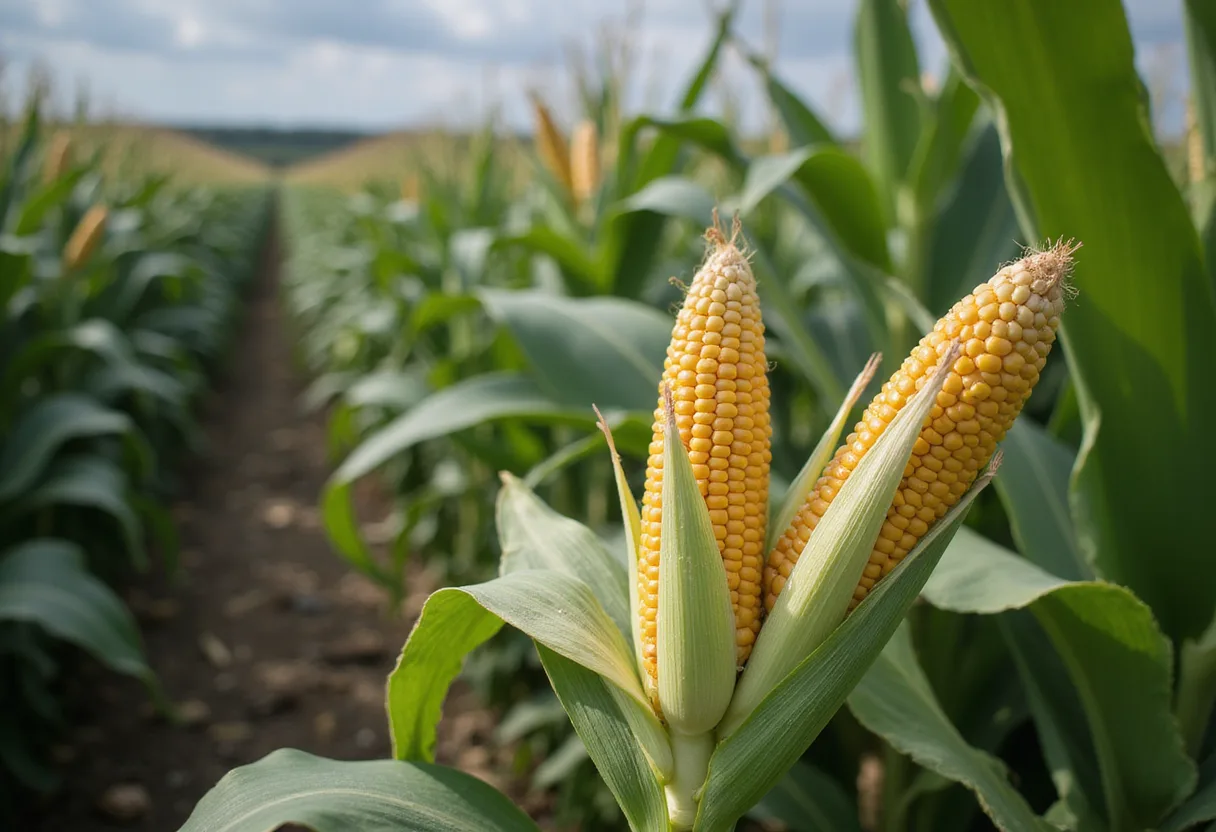
Harvest results and crop quality rank among the top factors moving corn prices right now, according to Allendale ag economist Greg McBride, who says the market now holds a clearer picture of this year's crop than it did before combines rolled.
The shift matters for growers weighing sales timing. When the trade trades expectations, uncertainty premiums build into futures and basis. When harvested bushels cross the scales, guesswork gives way to weigh tickets and grade sheets.
McBride flagged one immediate issue. "There are going to be some quality concerns in some of these areas whether that's corn or beans," he said.
What do quality concerns change for growers?
Quality discounts hit farm margins directly. Damaged kernels, light test weight or high moisture each trigger deductions at the elevator, so the posted futures price overstates what many producers will actually pocket.
Regional splits matter too. McBride's phrase "some of these areas" signals a patchwork crop rather than a uniform one, which means basis levels and discount schedules will diverge sharply between regions as harvest progresses.
For growers in affected areas, the practical checklist is short:
- Separate damaged and clean lots at harvest to limit blended discounts
- Dry and monitor stored grain closely, since quality issues tend to worsen in the bin
- Compare discount schedules across local buyers, not just headline bids
Condition reports versus harvested results
Analyst commentary built on crop condition surveys and field observations should not be read as measured output. Condition scores and qualitative reports are forecasts by another name; only harvested, graded and weighed volumes count as results.
McBride's assessment sits in the transition zone. He draws on harvest activity already completed, which gives his read more weight than pre-harvest field tours, but the full national picture still depends on how many acres remain in the field and what the combine finds on them.
Growers should treat each incremental harvest report as one data point, not a verdict. The market's "clearer picture" is clearer, not complete.
Why the input-cost angle matters
Quality problems compound an already tight margin equation. Producers who budgeted fertilizer, seed and crop protection at this season's elevated input costs now face gross revenue risk from two directions: price levels and per-bushel discounts.
Storage decisions carry extra weight in that setting. Grain that takes a discount today might grade better after drying and cleaning, or it might deteriorate further. Each operation's condition, storage capacity and cash-flow needs will drive a different answer.
What comes next
Harvest reports will keep setting the tone for corn and bean prices until the crop is largely in the bin. McBride's message to growers is that quality, alongside harvested volume, is now a live market variable, and the regions with damage will see it reflected in their local basis and bottom lines.
via Brownfield Ag News (Source)
More from Grace Kim
Show full bio
Correspondent covering people, launches and day-to-day practice in Agribusiness coverage for industry professionals at Agribusiness Wire.
451 articles
Also in the yard
- Harvest Pressure Drags Corn and Soybean Prices Lower
- Corn condition slips in USDA Oct. 4 Crop Progress report
- Analyst expects modest USDA October yield revisions for corn, soybeans
- Successful Farming maps 2026 grain marketing call: sell at harvest or carry to 2027
- Michigan Corn, Soybeans Lag Averages but Look Better Than Expected