Lot No. LOT-9931 · offered October 9, 2026
Agricultural PolicyLot sheet
Sen. Deb Fischer Courts Bipartisan Support for New Farm Bill
Sen. Deb Fischer (R-Neb.) is pressing Senate colleagues across party lines to coalesce around a new five-year farm bill, per the Omaha World-Herald. Nebraska leads U.S. cattle-on-feed counts.
Market notes
- Sen. Deb Fischer (R-Neb.) sits on the Senate Agriculture Committee and is pressing bipartisan support for a new five-year farm bill, per the Omaha World-Herald.
- The 2018 Farm Act expired on September 30, 2024, more than a year before the current reauthorization push.
- Nebraska ranks first in U.S. cattle on feed, with an inventory above 2.5 million head, anchoring the state's stake in the livestock titles.
- Fischer was first elected to the Senate in 2012 and reelected in 2024, giving her a third term of seniority on the Agriculture Committee.
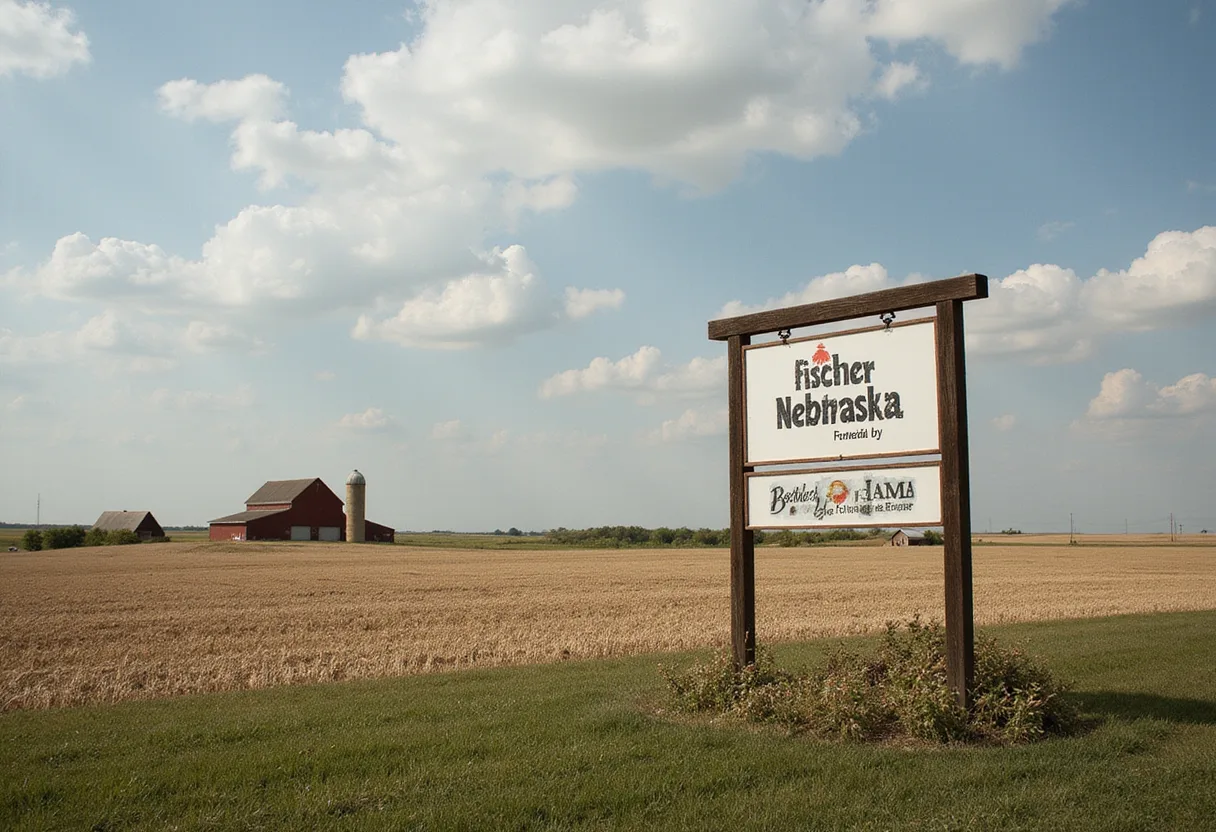
Sen. Deb Fischer of Nebraska is pressing her Senate colleagues across party lines to coalesce around a new five-year farm bill, according to reporting from the Omaha World-Herald, as the legislation's reauthorization has stretched more than a year past the 2018 Farm Act's expiration on September 30, 2024.
The Republican lawmaker, who sits on the Senate Agriculture Committee and represents a top-producing corn, soybean and cattle state, has framed her outreach as a bipartisan exercise rather than a partisan one. Her push comes as Congress has relied on a series of short-term extensions to keep commodity programs, crop insurance, conservation initiatives and nutrition titles funded after the prior law lapsed.
Why does a bipartisan coalition matter?
Farm bill reauthorization traditionally requires cooperation between the Senate and House agriculture committees and lawmakers from the major commodity-producing states. With grain prices under pressure and input costs for fertilizer, fuel and seed elevated relative to the 2018 baseline, growers and their lenders have pressed Congress for clarity on the safety net programs that anchor their revenue calculations.
The Nebraska-specific stakes sit across several titles:
- Title I commodities: reference prices, PLC and ARC payment formulas for corn and soybeans
- Crop insurance: premium subsidies and product availability across roughly 8 million acres of Nebraska cropland
- Conservation: working-lands payments, the Conservation Reserve Program and grazing support
- Livestock: mandatory price reporting, animal disease preparedness and forage programs
What is Fischer's policy profile?
Fischer, first elected to the Senate in 2012 and reelected in 2024, has built her agricultural record around:
- Livestock market transparency and cattle pricing rules
- Ethanol fuel standards, including year-round E15 access
- Broadband deployment in rural counties
- Senate Agriculture Committee membership with jurisdiction over Title I and the conservation title
What sectors have the most riding on reauthorization?
Crop producers. The 2018 reference prices have eroded against current cost-of-production benchmarks, a gap commodity groups want closed in any new bill. PLC and ARC program parameters, plus payment limits, are central to farm revenue calculations.
Cattle and livestock. Nebraska ranks first in U.S. cattle on feed, with an inventory above 2.5 million head. The farm bill authorizes livestock mandatory reporting, animal disease funding and the conservation dollars that finance grazing land improvements.
Nutrition programs. The Supplemental Nutrition Assistance Program holds the largest spending share of the package and historically draws the sharpest partisan disagreement, particularly over work requirements and eligibility rules.
What is the legislative path forward?
Senate Agriculture Committee leadership has signaled that a committee markup is achievable in the current Congress, but floor time and an offset plan remain unresolved. Fischer's bipartisan framing aligns her with the committee's working approach and pulls Nebraska's priorities - corn, soybeans, cattle, ethanol - into the broader negotiation.
Whether the coalition holds depends on whether House and Senate conferees can reconcile differences over SNAP provisions, conservation funding levels and the commodity-program safety net before the next funding deadline arrives. For agribusinesses watching from the input, grain handling and livestock sectors, the calendar matters as much as the content: continued delay pushes planting-season decisions into ambiguity, while a completed bill unlocks multi-year planning for crop insurance products, conservation contracts and capital investments on the farm.
via Google News: Farm bill and ag policy (Source)
More from Rebecca Stone
Show full bio
Market editor covering people, launches and day-to-day practice in Agribusiness coverage for industry professionals at Agribusiness Wire.
430 articles