Lot No. LOT-6697 · offered October 9, 2026
Agricultural PolicyLot sheet
Senate Agriculture Committee Advances Farm Bill; NCC, GCC Cheer
The Senate Agriculture Committee has voted to advance its Farm Bill out of committee, drawing statements of support from the National Cotton Council and the GCC, according to Southeast AgNET.
Market notes
- Senate Agriculture Committee voted to advance its Farm Bill out of committee
- National Cotton Council and GCC issued statements applauding the advancement
- House Agriculture Committee has already advanced a competing Farm Bill draft
- Title I cotton provisions include the marketing loan, STAX and the Economic Adjustment Assistance Program for textile mills
- Conference negotiations will need to reconcile House and Senate differences on nutrition, conservation and reference-price indexing
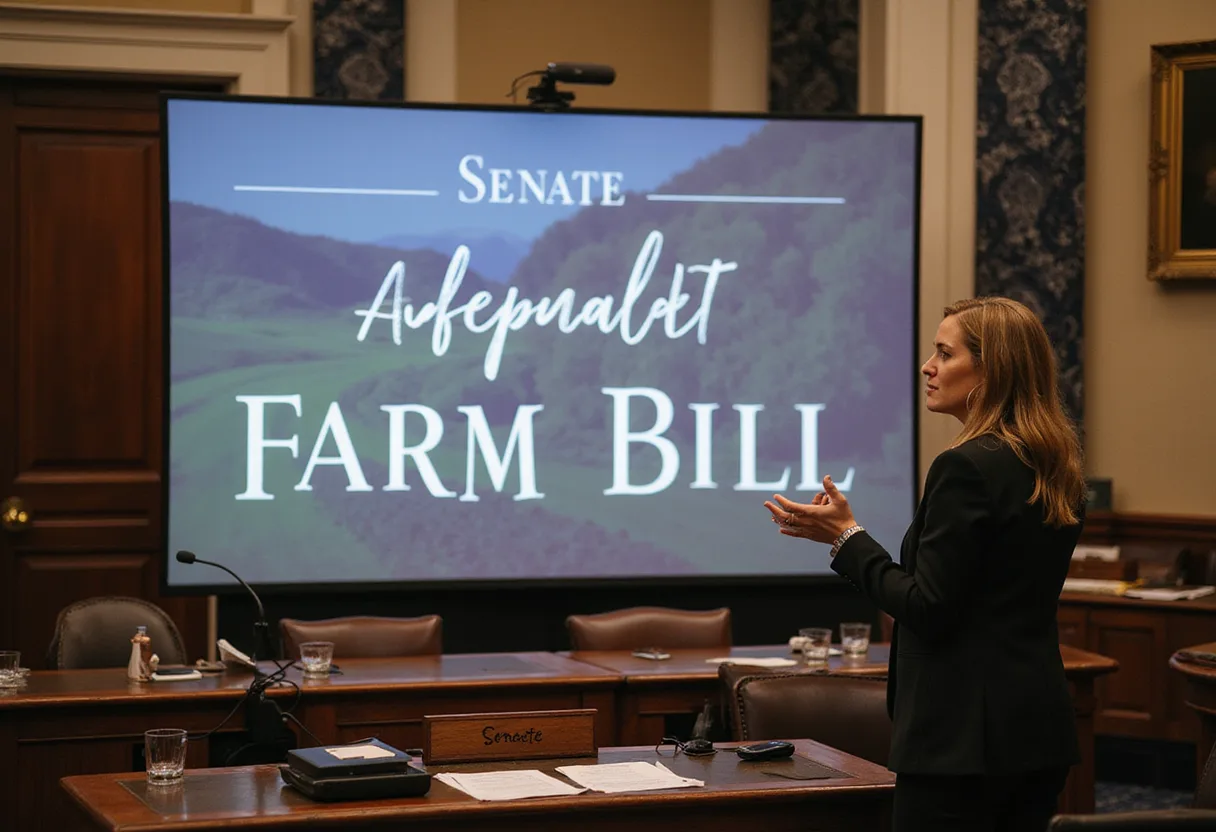
The Senate Agriculture Committee has voted to advance its Farm Bill out of committee, a procedural milestone that drew immediate statements of support from the National Cotton Council (NCC) and the GCC, according to Southeast AgNET.
The action moves the multi-year package — covering Title I commodity programs, conservation spending, crop insurance, nutrition assistance and rural development — toward a floor debate in the full Senate. From there, the chamber's version would need to be reconciled with the House Agriculture Committee's competing draft through a conference process.
Both organizations issued statements applauding the advancement. The NCC, which represents U.S. cotton producers, ginners, warehousers, merchants, seed handlers, cooperatives and textile manufacturers, has a direct stake in the legislation's upland cotton provisions. The marketing loan, reference-price formulas, the Stacked Income Protection Plan (STAX) and the Economic Adjustment Assistance Program for domestic textile mills all fall under Title I and shape the safety net for cotton growers.
The GCC, a separate commodity organization that worked alongside NCC through the markup, added its endorsement, underscoring the cross-commodity coalition that held through the committee stage.
Both groups have also tracked the bill's research and market-development titles, where programs like the Cotton Research and Promotion Program and the Foreign Agricultural Service's Market Access Program are typically reauthorized.
What does the committee vote actually change?
A successful committee vote ends the markup stage and allows Senate leadership to schedule floor consideration.
Amendments covering payment limits, base-acre updates, conservation reserve acreage, climate-related conservation programs and nutrition-program funding are likely to surface once the bill reaches the floor. The committee vote does not by itself lock in any of those policy details, but it does set the baseline that floor amendments will work against.
Why are commodity groups focused on this stage?
Commodity organizations concentrate their lobbying effort on the markup because reference prices, payment triggers, conservation compliance rules and research-title authorizations are written at that stage.
Changes adopted in markup are harder to reverse on the floor; a favorable committee draft makes it easier for industry groups to defend the same provisions through conference negotiations with the House.
For cotton producers, the stakes are concrete. Input costs for fertilizer, fuel, chemicals and equipment have stayed elevated since 2022, while U.S. cotton prices have traded in a wide range and export competition from Brazil, Australia and West African origins has pressured market share. The structure of the marketing loan and the level of any updated reference price directly affect cost-of-production calculations for the upcoming crop year.
The committee bill also continues the research and promotion framework that funds Cotton Incorporated and the Cotton Board's work on U.S. cotton marketing abroad.
What's the path from here?
The House Agriculture Committee has already advanced its own Farm Bill draft, and conference negotiations will need to reconcile differences in nutrition-program spending, climate-related conservation funding and the formula used to index reference prices.
Senate floor scheduling will depend on leadership priorities and on whether enough bipartisan support exists to clear procedural hurdles.
The legislation's near-term effect on cotton will turn on how closely the final conference report tracks the Senate committee's treatment of Title I cotton programs, the marketing loan rate and any updates to STAX coverage levels.
via Google News: Farm bill and ag policy (Source)
More from Grace Kim
Show full bio
Correspondent covering people, launches and day-to-day practice in Agribusiness coverage for industry professionals at Agribusiness Wire.
453 articles
Also in the yard
- Senate Farm Bill Discussion Draws NSAC Line-by-Line Review
- Senate Agriculture Committee Clears Farm Bill for Floor Action
- Senate Floor Looms as Farm Bill's Real Test After Tense Markup
- South Plains Farmers Weigh Farm Bill Provisions Ahead of Senate Vote
- Senate Agriculture Committee Advances 2026 Farm Bill