Lot No. LOT-4528 · offered October 9, 2026
Trade & ExportsLot sheet
Shipowners Halt Calls at Ukraine's Black Sea Ports Over Strike Fears
Commercial shipowners halted calls at Ukraine's Black Sea ports — Odesa, Chornomorsk and Pivdennyi — amid Russian strikes on port infrastructure, Reuters reports, putting wheat and corn flows under fresh pressure.
Market notes
- Shipowners halted calls at Ukraine's Black Sea ports, citing Russian strikes on port infrastructure, according to a Reuters dispatch.
- The alert implicates the three deep-water Black Sea terminals — Odesa, Chornomorsk and Pivdennyi — that historically carry most Ukrainian seaborne grain.
- Russia withdrew from the UN-brokered Black Sea Grain Initiative in 2023, after which carriers have operated an intermittent humanitarian corridor.
- Past carrier pullouts after Russian strikes on Odesa and Chornomorsk have ranged from days to several weeks.
- Longer halts have redirected Ukrainian corn to Danube river ports at Izmail and Reni and to rail crossings through Romania, Moldova and Poland.
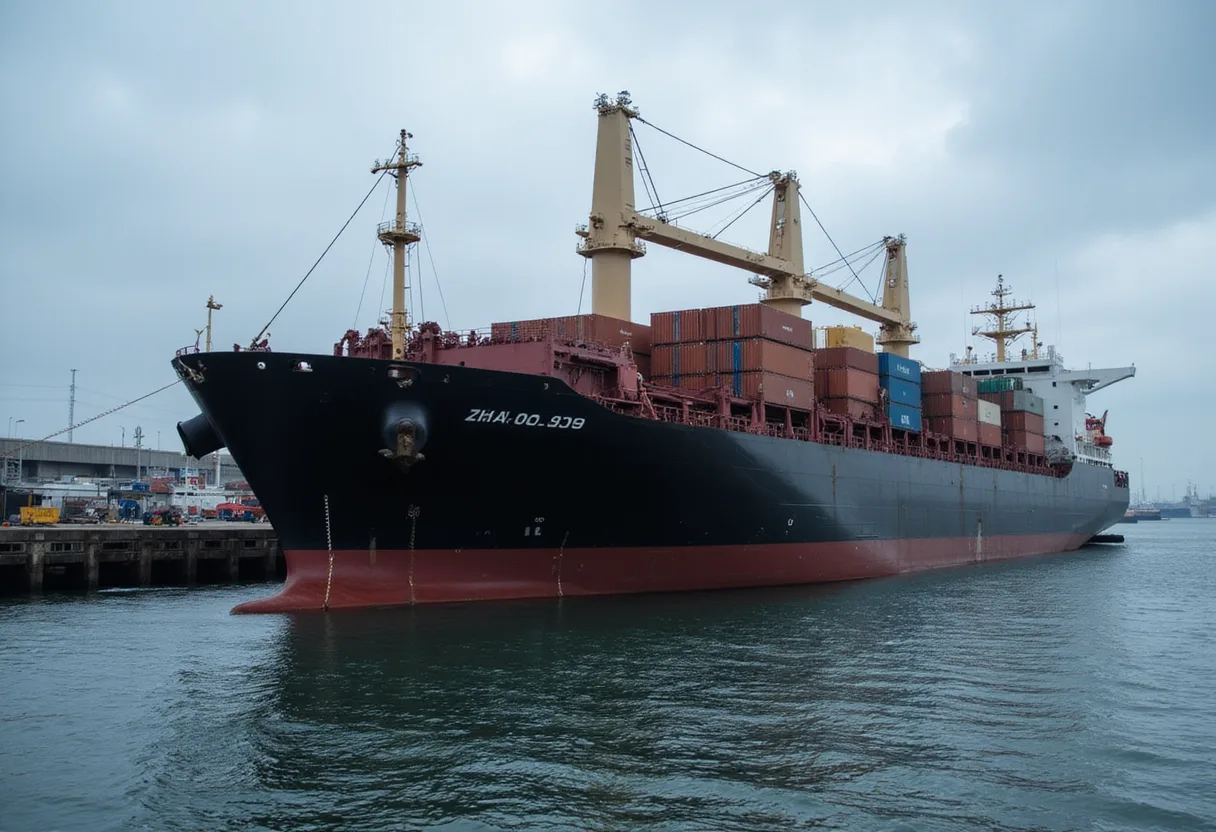
Commercial shipowners have stopped calling at Ukraine's Black Sea ports amid Russian strikes on port infrastructure, according to a Reuters dispatch.
The halt affects the country's three deep-water Black Sea grain terminals — Odesa, Chornomorsk and Pivdennyi — and lands at a moment when global wheat and corn stocks are tight and basis is finely balanced across origins.
Why grain markets are watching
Ukraine's Black Sea terminals historically move the great majority of Ukrainian seaborne wheat and corn, the backbone of deliveries to North African, Middle Eastern and Asian importers. When carriers suspend calls, the cargo shifts to rail and Danube river routes via Izmail, Reni and Ust-Dunaisk, raising logistics costs and tightening weekly outflow.
For U.S., Brazilian and Argentine producers, the price read-through shows up in Chicago wheat and corn futures within hours of a confirmed Black Sea disruption, as buyers substitute among origins. For Ukrainian growers, the response runs the other way: corn basis at inland elevators widens further from the world benchmark, compressing margins on crops already squeezed by two years of war-driven fertilizer and fuel inflation.
What the Reuters alert tells us — and what it does not
The headline alert Reuters circulated names the action and the cause but, as published in the source available to Agribusiness Wire, does not list the specific shipping lines that have paused calls, specify the expected duration, or quantify the tonnage affected. The dispatch functions as a wire alert pointing to a fuller Reuters story that carries company-by-company detail, strike location specifics, and any official Ukrainian or Russian government statements.
Why a carrier halt carries a market signal
Shipowners do not pull tonnage on speculation. A decision to suspend calls reads as an underwriter-grade assessment of safety in the northwestern Black Sea. War-risk insurers revise premiums within hours of carrier pullouts, and the incremental cargo cost is paid by charterers and grain traders before it surfaces on the basis chart.
Past episodes in which Russia struck terminal infrastructure at Odesa and Chornomorsk produced carrier pauses running from days to several weeks. The longer pullbacks, particularly in the autumn of 2023 after Russia withdrew from the Black Sea Grain Initiative, redirected Ukrainian corn almost exclusively to Danube ports and rail crossings through Romania, Moldova and Poland — corridors that cannot match seaborne throughput at the volumes Ukraine typically clears.
Policy backdrop
The halt signals fresh pressure on the humanitarian shipping corridor the Ukrainian navy and Romania's military have kept operational since the Black Sea Grain Initiative collapsed in 2023. Outbound tonnage has come under intermittent fire since the corridor opened, with strikes hitting port elevators and fuel storage at Odesa multiple times in the previous marketing year.
Forward outlook
The measure of the disruption is how long shipowners stay on the sideline. A short halt, the kind the market has priced in through prior strike episodes, registers as a one-day bump on CBOT wheat and corn. A longer pullback would spill into Black Sea FOB values, Mediterranean feed grain prices and the corn basis offered to growers across the U.S. Midwest well into the spring shipping window.
via Google News: Agricultural trade (Source)
More from Rebecca Stone
Show full bio
Market editor covering people, launches and day-to-day practice in Agribusiness coverage for industry professionals at Agribusiness Wire.
433 articles