Lot No. LOT-6074 · offered October 9, 2026
Trade & ExportsLot sheet
Ukraine: Black Sea Port Closures Could Halve Farm Exports
Ukraine has warned that Black Sea port closures could halve farm exports, per Bloomberg. The 50% projection underscores how a handful of deep-water terminals still anchor global wheat, corn and sunflower oil flows.
Market notes
- Bloomberg reported that Ukraine warned Black Sea port closures could halve farm exports, a roughly 50% reduction.
- The risk applies to deep-water terminals handling Ukrainian wheat, corn and sunflower product for Mediterranean, North African and Middle Eastern buyers.
- Rail and Danube barge alternatives have absorbed volume since 2022 but run at a fraction of seaborne capacity.
- Ukraine remains a top global sunflower oil exporter, with most shipments moving through the same Black Sea terminals under discussion.
- The Bloomberg report did not name the affected ports or indicate how long the closure scenario might last.
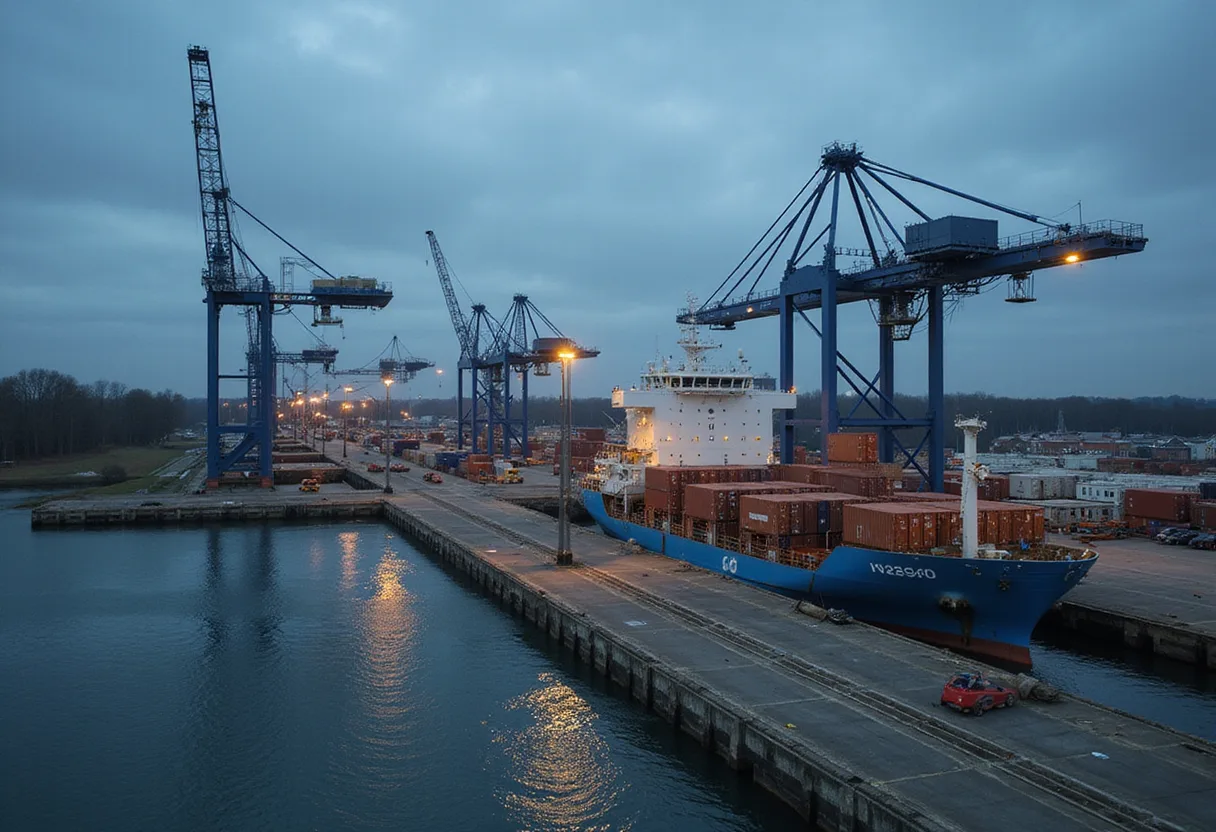
Ukraine's government has warned that closing Black Sea shipping ports could halve the country's farm exports, according to a Bloomberg report. The 50% projection places the structural dependence of one of the world's largest grain and oilseed suppliers on a narrow set of deep-water terminals squarely back in focus for global buyers.
Why does Black Sea access still anchor global grain?
The risk applies to the ports that load the bulk of Ukraine's wheat, corn and sunflower product. With those routes blocked, exporters lose the cheapest freight path to Mediterranean, North African and Middle Eastern destinations. Rail and Danube barge alternatives have carried volume since 2022, but run at a fraction of seaborne capacity.
How would a halving of exports hit the farm gate?
A 50% reduction inside a single marketing year would push inventories back onto the Ukrainian grain belt. Elevator basis weakens when logistics break, the cash marketing window stretches, and storage bills rise. Input contracts for the next crop come in later as receipts from the prior harvest arrive late.
Who feels the downstream impact first?
Import-dependent countries face the sharpest exposure. Buyers across North Africa, the Middle East and Southeast Asia historically source heavily from Black Sea loaders. A sustained reduction would push them into competing origins and narrow the price discount Black Sea grain typically carries against EU, Russian, Argentine and U.S. offers.
Vegetable oil markets would also tighten. Ukraine remains a top global sunflower oil exporter, and most of that product moves through the same Black Sea terminals. A drop in shipments would ripple into sunflower, palm and soybean oil pricing globally.
How have markets repriced past disruptions?
Since 2022, repeated Black Sea disruptions have reshaped physical premiums faster than any other supply event of the past decade. Each cycle resets the FOB Black Sea–CIF destination spread, and each reopening pulls basis back toward freight-adjusted parity. CBOT, Euronext and regional wheat and corn contracts move in parallel.
The Bloomberg report did not specify which ports are at risk or how long the closure scenario might last. Without those details, the risk premium embedded in the headline functions as a working assumption rather than a confirmed scheduling update.
Watch for port-by-port confirmation from Ukraine's Sea Ports Authority and Infrastructure Ministry, plus vessel queue data and weekly export license filings, to verify whether the halving projection becomes the operating assumption or eases as a worst-case scenario.
via Google News: Agricultural trade (Source)
More from Nathan Brooks
Show full bio
Staff writer covering regulation, policy and their impact on Agribusiness coverage for industry professionals at Agribusiness Wire.
470 articles
Also in the yard
- Ukraine Eyes Baltic Ports for Grain Exports, Mirroring Russian Route
- Shipowners Halt Calls at Ukraine's Black Sea Ports Over Strike Fears
- Ukraine farm exports could fall 54% as attacks disrupt shipments
- Ukraine war chokes off Black Sea grain exports, lifting prices
- Global Grain Prices Climb as Black Sea Conflict Escalates