Lot No. LOT-2829 · offered October 9, 2026
Precision Agriculture & AgTechLot sheet
MSU publishes guide on collecting, cataloging precision-ag yield data
Michigan State University published a guide on collecting and cataloging yield data for precision agriculture, targeting the workflow step that turns combine monitor output into multi-year, queryable farm decision records.
Market notes
- Michigan State University published 'Precision agriculture: Collecting and cataloging yield data.'
- The piece targets the cataloging step that turns raw combine monitor files into multi-year management records.
- Clean yield records tied to hybrid, soil type and management zone support variable-rate input prescriptions and lender documentation.
- Standardized yield files are increasingly required by voluntary carbon programs in corn and soy production.
- Adoption hinges on whether extension protocols match output formats from major combine and farm-management platform vendors.
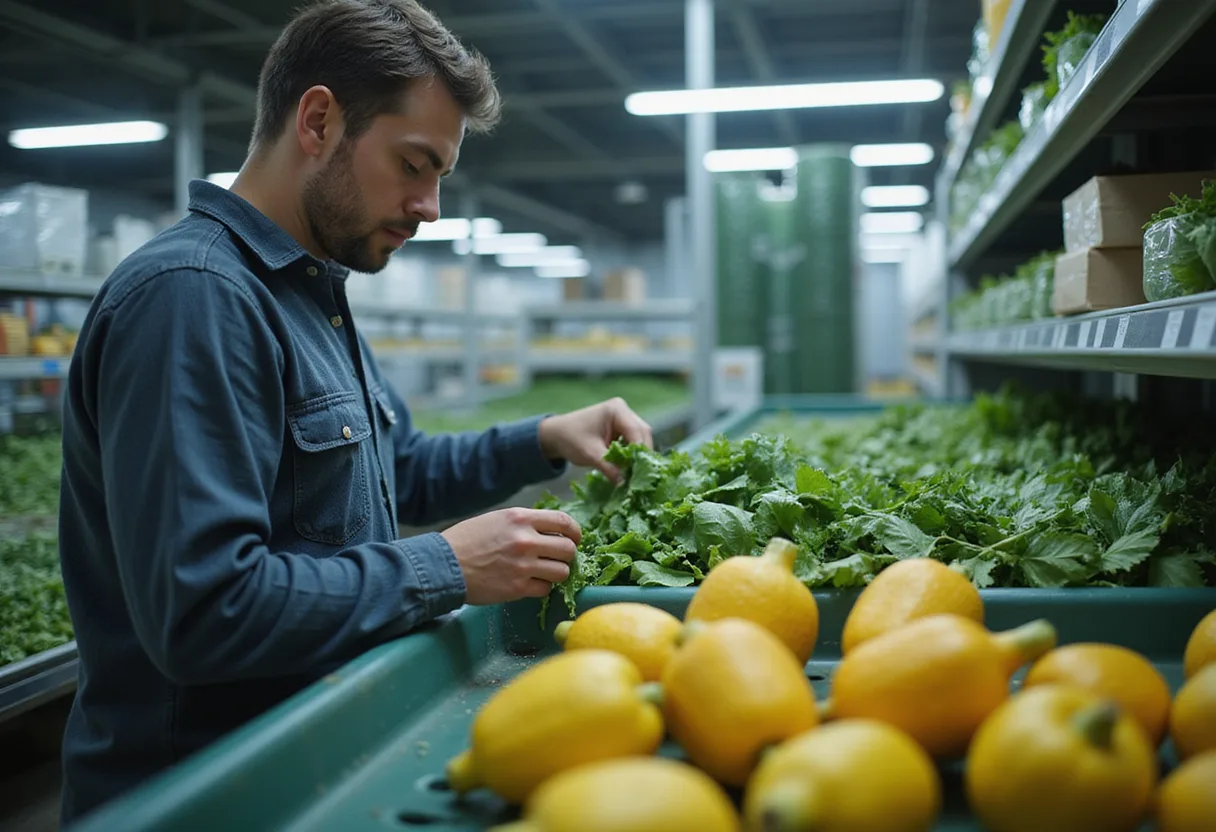
Michigan State University has published a guide on collecting and cataloging yield data for precision agriculture, addressing the workflow step that decides whether combine monitor output becomes a multi-year management record or stays locked inside a controller.
The piece, titled "Precision agriculture: Collecting and cataloging yield data," enters a stream of land-grant extension guidance aimed at growers, crop consultants and input retailers who now treat yield maps as baseline agronomic records rather than end-of-season curiosities.
What does the publication cover?
The title frames the agenda: standardizing how growers collect yield data in the cab, then organize those records so multi-year comparisons and variable-rate prescriptions can sit on top of them. Cataloging — not the harvest pass itself — is where most operations lose value, because raw monitor files arrive in proprietary formats, lack consistent metadata, and rarely carry the soil-type, hybrid and application overlays that turn a colored map into a fertilizer or seeding decision.
Why does cataloging matter for farm margins?
Yield data feeds two balance-sheet lines: input cost through variable-rate seeding, nitrogen and lime prescriptions, and revenue through delivery documentation, crop insurance records and bushel settlements against elevator basis. A grower who can produce clean, time-stamped yield records sorted by hybrid, soil type and management zone can defend input spending with a lender, qualify for precision-ag discounts from seed and crop protection suppliers, and document the field-level metrics emerging carbon programs increasingly require.
What gaps does the MSU piece appear to target?
Three recurring pain points show up across Midwest extension programming, and the publication title maps onto each:
- Standardized collection: combine monitor calibration, header-width settings, lag-time and moisture-sensor checks that prevent a 20-bushel drift between a wet headland and a dry side slope.
- Metadata cataloging: linking each yield file to the planted hybrid, the applied population, the fertilizer rate, and the soil-test zone, so the file is queryable across seasons.
- Format retention: keeping raw, unprocessed monitor exports rather than only the aggregated map, because raw files support later recalibration if moisture or load-rate assumptions change.
How does this fit agribusiness workflows?
Input retailers and cooperatives increasingly accept yield data in machine-readable form before variable-rate prescriptions are written. Seed companies running on-farm trials ask for yield files in standardized formats tied to planting and harvest dates. Voluntary carbon protocols in corn and soy require multi-year records at the field level. A documented cataloging protocol from a land-grant institution lowers the technical bar for growers who hold the data but lack the workflow.
What comes next?
The publication lands as equipment makers continue a multi-year push toward open data formats. Adoption of cataloging standards typically accelerates when extension publications align with what combines, displays and farm-management platforms already export — so the test for growers will be whether the MSU protocol matches the actual files coming off major combine hardware at this fall's harvest.
via Google News: Precision agriculture (Source)
More from Grace Kim
Show full bio
Correspondent covering people, launches and day-to-day practice in Agribusiness coverage for industry professionals at Agribusiness Wire.
453 articles
Also in the yard
- Precision Agriculture Takes Center Stage in Northwest Iowa
- Research Targets Precision Agriculture Cost Barrier for Smaller Farms
- Precision Data Aims to Link Soil Health Metrics to Crop Budgets
- USDA ARS Publication Maps Benefits and Tech Lineage of Precision Agriculture
- DTN Survey: Precision Tools and Fertilizer Cuts Anchor Farm Margins