Lot No. LOT-4107 · offered October 14, 2026
Precision Agriculture & AgTechLot sheet
Research Targets Precision Agriculture Cost Barrier for Smaller Farms
A new Conversation piece reframes precision agriculture research around cost, asking whether GPS, variable-rate and yield-mapping tools can reach mid-sized farms at a workable price point.
Market notes
- The Conversation published an article titled "How researchers are making precision agriculture more affordable."
- The piece frames precision agriculture adoption as a function of hardware, software and data-service pricing rather than capability alone.
- Entry-level GPS receivers, implement-mounted rate controllers and recurring software subscriptions have historically priced smaller row-crop and specialty operations out of the market.
- The article signals a pivot in research priorities from yield-maximization to cost-minimization framing.
- Equipment retailers have described softer demand for high-end precision upgrades and steadier pull for entry-tier kits in recent quarters.
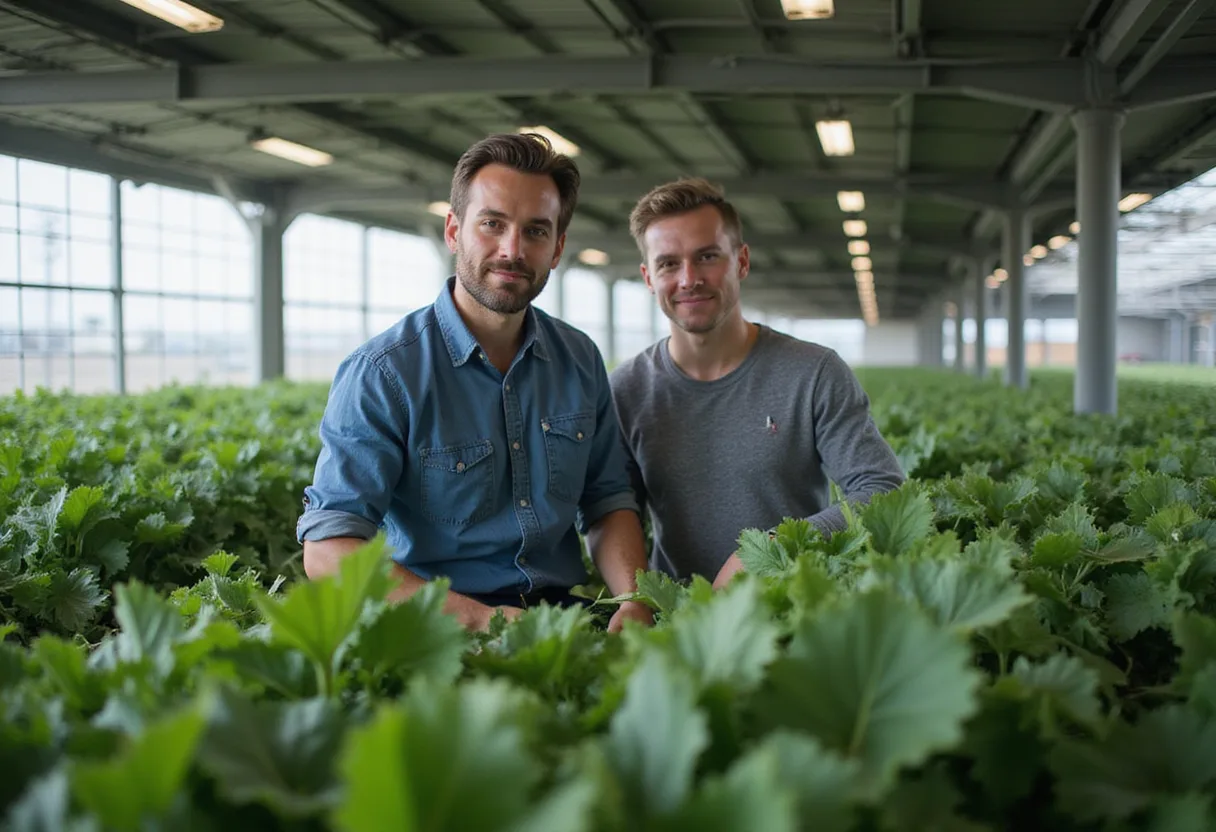
A new piece in The Conversation, "How researchers are making precision agriculture more affordable," directs attention to the price tag that has held back adoption of GPS-guided steering, variable-rate input application and yield mapping on smaller row-crop and specialty operations.
Variable-rate input application is the practice of changing seed or chemical rates as the implement crosses a field. Yield mapping is the practice of logging crop output by GPS-tagged location. The two are core building blocks of any precision agriculture system.
The article enters a long-running debate inside farm technology. Precision agriculture systems (zone-specific input management tools built around GPS, sensors and rate controllers) rely on position sensors, rate controllers and farm-management software to vary seed, fertilizer and chemical inputs by management zone rather than by field average.
That capability has carried a price point — entry-level GPS receivers, implement-mounted rate controllers and recurring software subscriptions — that compresses breakeven acreage and tilts the buy decision toward the largest operators.
What does the affordability framing change for growers?
What the article's framing signals is a pivot in research priorities. The earlier wave of precision agriculture work asked whether the technology worked at any cost. The affordability framing asks whether the technology works at a cost a mid-sized grower can recover over the depreciation life of the hardware.
The shift tracks commodity-price pressure and input-cost inflation that have shaped farm margin calculations. It also lines up with the pattern of softer demand for high-end precision upgrades and steadier pull for entry-tier kits that equipment retailers have described in recent quarters.
The approaches an affordability-focused research agenda would typically cover span three categories:
- Retrofit hardware that pairs consumer-grade tablets and smartphones with existing rate controllers
- Open-source farm-management platforms that replace annual seat licenses with community-supported code
- Low-cost sensor networks built around microcontrollers and cellular telemetry, which lower the per-field cost of gathering zone-level data
The margin logic that ties those approaches to the farm balance sheet is direct. A grower recovers a precision agriculture investment when the dollar value of seed, nitrogen and crop-protection product saved by zone-specific application exceeds the depreciated cost of the equipment plus the software subscription. Reducing the capital line on the equipment side shortens the payback period.
The per-acre subscription model, by contrast, shifts the same calculation from a depreciation schedule to a cash-flow line that the grower can size to current margin conditions.
How does the affordability framing reshape the strategic question for manufacturers and retailers?
The affordability agenda raises a margin-versus-volume question for input manufacturers and ag retailers. They must decide whether to defend premium hardware margins or convert those margins into volume by licensing data and service layers.
For cooperatives and independent crop advisers, the same question appears in a different form. They must decide whether to bundle hardware, software and agronomic advice into a per-acre subscription. Such a structure would smooth capital cost for the grower and secure recurring service revenue for the adviser.
It would also shift the cost line from a one-time capital purchase to a recurring operating expense, a change that carries tax and balance-sheet implications for the buying farm.
The article appears in The Conversation, an outlet that commissions academic authors to write for general readers. The publication has tracked precision agriculture as the technology moved toward cost-minimization framing over the past decade. The original piece runs under a researcher byline on the publication's site.
What should growers and dealers watch in the next capital cycle?
The open question for the next planting season is whether the researchers' cost reductions outpace the rate at which input prices and equipment dealer margins reassert themselves, or whether the affordability window narrows again before mid-sized operations can clear the adoption hurdle.
via Google News: Precision agriculture (Source)
More from Rebecca Stone
Show full bio
Market editor covering people, launches and day-to-day practice in Agribusiness coverage for industry professionals at Agribusiness Wire.
426 articles
Also in the yard
- Survey: More Than Half of Farmers Plan New Precision Ag Buys
- USDA ARS Publication Maps Benefits and Tech Lineage of Precision Agriculture
- Reps. Davis, Mann Reintroduce Promoting Precision Agriculture Act
- Precision Agriculture: What's Here and What's Next
- Precision Agriculture Takes Center Stage in Northwest Iowa