Lot No. LOT-1703 · offered October 9, 2026
Precision Agriculture & AgTechLot sheet
Precision Agriculture: What's Here and What's Next
Agweek surveys which precision agriculture tools have taken hold on farms and which emerging systems face a rising payback threshold as input costs climb.
Market notes
- Agweek published an outlook piece titled "What's here and what's next in precision agriculture?"
- The article surveys established precision tools and the next wave of ag technology; it contains no new acreage, yield or price data
- The piece frames adoption decisions against elevated input costs and farm-margin pressures
- Agribusiness Wire classifies the story as an outlook, distinct from harvested-results reporting
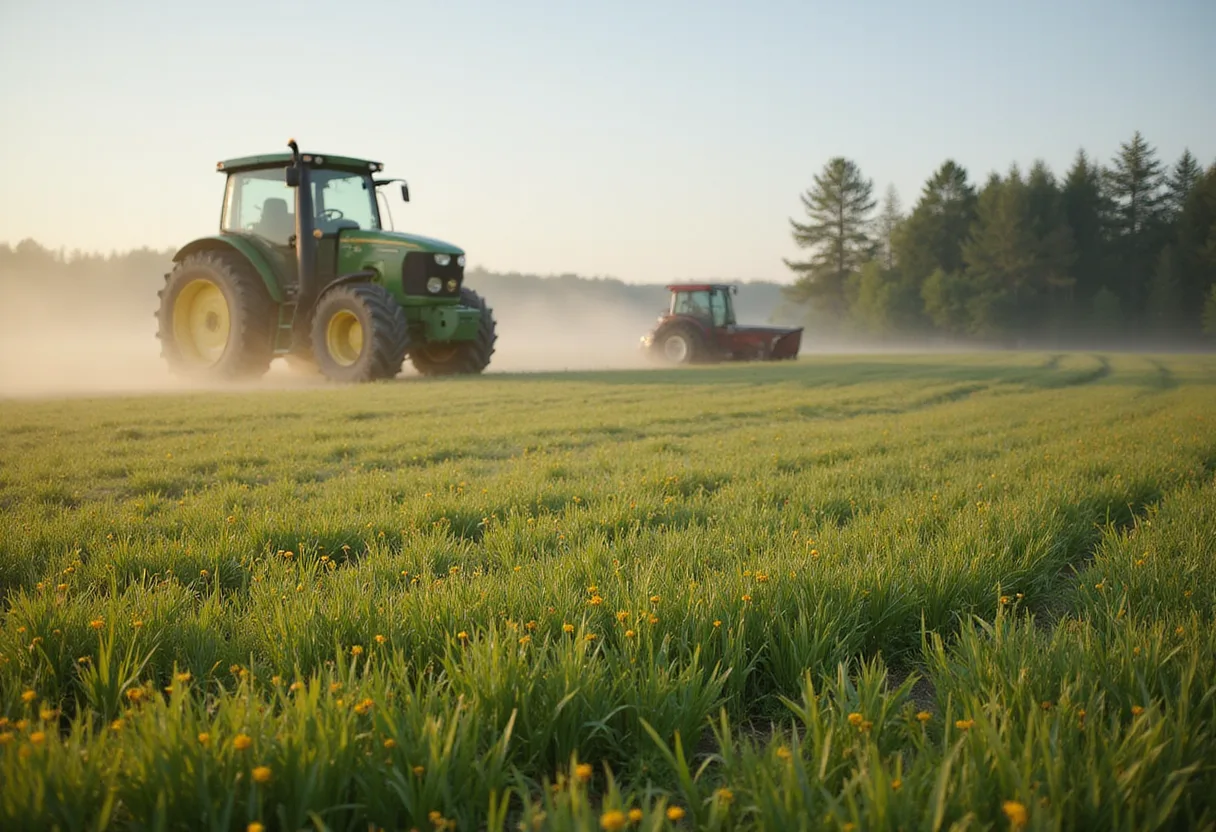
Agweek has published a forward-looking examination of precision agriculture, asking what technologies have taken hold on Upper Midwest farms and which tools are positioned to follow.
The piece, headlined "What's here and what's next in precision agriculture?", frames the sector at an inflection point. Growers who adopted guidance systems, variable-rate application and yield mapping over the past two decades now face a second decision cycle: whether hardware already in the cab can pay for itself against today's input prices, and which emerging systems justify new capital.
The article's framing speaks directly to farm-margin math. Every technology it weighs — from autonomous equipment to data-driven input management — ultimately gets judged by the same test: does the agronomic gain offset the capital cost, the subscription fee and the downtime risk?
Why the question matters now
Input costs have forced that calculation to the front of producers' planning. Fertilizer, crop protection and machinery expenses have all run at elevated levels in recent seasons, which raises the payoff threshold for any precision investment. A system that trimmed application rates by a modest margin looked marginal when fertilizer was cheap; the same system changes the margin equation when input prices spike.
Precision adoption has historically clustered around a familiar core: GPS guidance on tractors and combines, auto-steer, section control on sprayers and planters, and yield monitoring that turns the harvest into a data layer. These tools are now standard equipment on many large operations rather than add-on purchases.
What the source does and does not establish
Agribusiness Wire readers should treat this piece as a survey and outlook article, not as a report of harvested results. It does not present new field-trial data, acreage figures or yield outcomes, and any adoption rates or vendor claims it discusses should be checked against their underlying survey methodology and reporting windows before being cited as benchmarks.
That distinction matters for farm-basis planning. Condition reports, vendor forecasts and grower testimonials describe intentions and expectations; only harvested acres and settled receipts describe results. An outlook on precision technology belongs firmly in the first category.
The capital decision in front of growers
For producers, the practical questions the Agweek piece raises are concrete: retrofit or replace; subscribe to a data platform or keep records in-house; and whether the next generation of automation — equipment that plants, sprays and harvests with less operator input — has reached the reliability threshold that earlier tools needed years to cross.
Dealers and input makers face a parallel question. Precision platforms increasingly determine which seed, chemical and fertilizer products move through which channels, because prescription-based application ties input sales to the data layer. Whoever controls the prescription influences the purchase.
Watch for follow-up coverage that puts numbers behind the outlook: adoption-rate surveys with disclosed methodology, payback-period calculations tied to current input prices, and harvest-season results from operations running the newest equipment. Until those figures land, the "what's next" in precision agriculture remains a forecast, not a result.
via Google News: Precision agriculture (Source)
More from Nathan Brooks
Show full bio
Staff writer covering regulation, policy and their impact on Agribusiness coverage for industry professionals at Agribusiness Wire.
463 articles
Also in the yard
- Survey: More Than Half of Farmers Plan New Precision Ag Buys
- Purdue Study: Only Two Precision Ag Tools Pay Their Way
- Research Targets Precision Agriculture Cost Barrier for Smaller Farms
- Precision Agriculture Market to Reach $17.29 Billion by 2031
- Precision Agriculture Takes Center Stage in Northwest Iowa