Lot No. LOT-2686 · offered October 9, 2026
Farm MachineryLot sheet
U.S. Farm Equipment Sales Slide as Farm Budgets Tighten
U.S. farm equipment sales have moved lower as producers tighten capital budgets under continued margin pressure, RFD-TV reported, with row-crop operations leading the pullback across tractors and combines.
Market notes
- U.S. farm equipment sales have fallen, RFD-TV reports
- Farm capital budgets are tightening across the sector
- The pullback spans tractors, combines, and high-horsepower implements
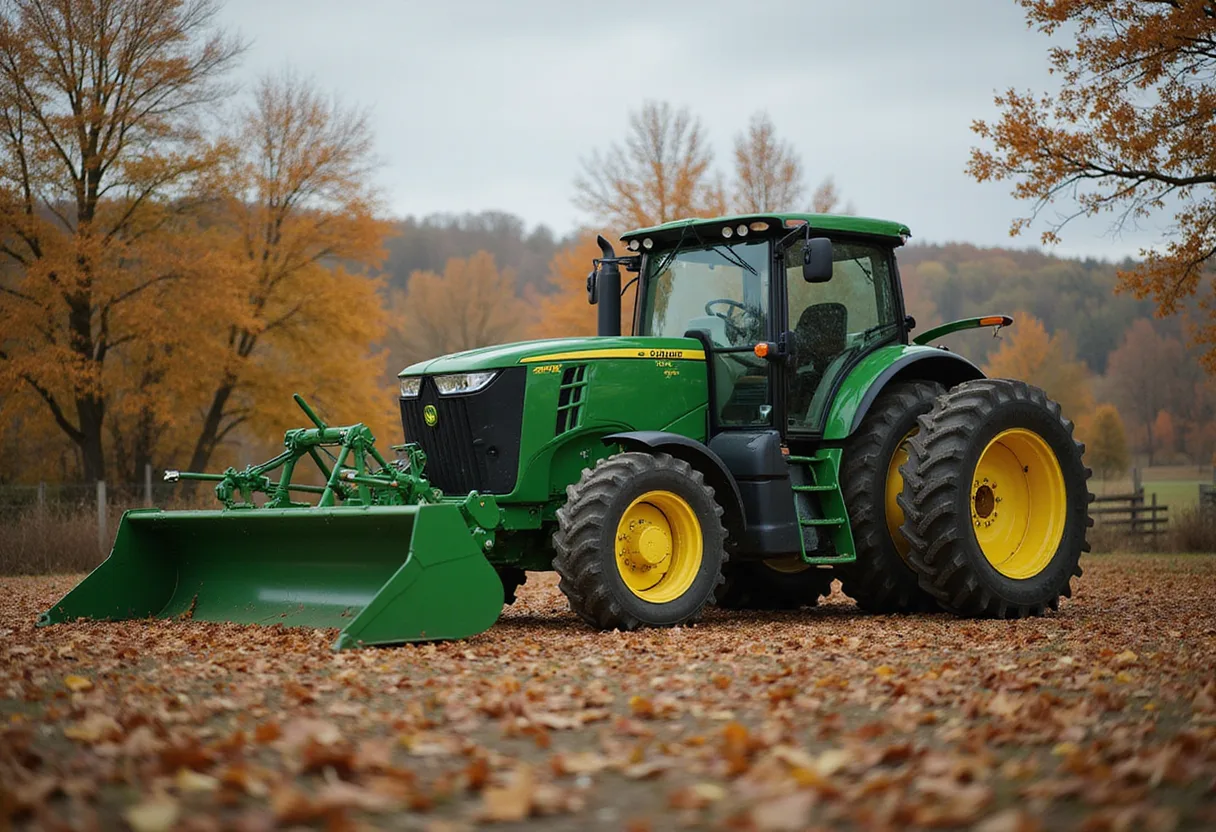
U.S. farm equipment sales have moved lower as producers tighten capital budgets under continued margin pressure, RFD-TV reported, with row-crop operations leading the pullback across tractors, combines and high-horsepower implements.
The trend tracks a familiar pattern in agricultural machinery markets. When farm margins compress, equipment purchases fall because tractors, combines and high-horsepower implements are typically the most discretionary line item on a farm's capital budget. Replacement cycles lengthen, trade-in volumes rise, and new-equipment orders thin at the dealer level.
The pullback runs through several channels at once. Cash purchases slow because working capital that would have gone toward a down payment stays directed toward crop inputs, cash rent and debt service. Financed purchases face tighter lender standards, with higher collateral requirements on equipment loans. Lease and custom-hire arrangements expand as a way to access machine capacity without the full capital outlay of ownership.
Row-crop operations tend to lead the contraction because combine and high-horsepower tractor replacements carry the largest price tags and the longest useful lives. Implement categories that are cheaper per unit — planters, tillage tools, sprayers — typically hold up better because they fit smaller capital outlays. Mixed and livestock operations have generally remained more active, supported by cattle and hog prices that have held above multi-year averages, leaving cow-calf and finishing enterprises with steadier working capital.
For input retailers and farm cooperatives, a quieter machinery market shifts but does not eliminate farm spending. Dollars that don't go to a new tractor typically flow toward prepay discounts on fertilizer and crop protection products, seed upgrades, or drainage and tile improvements. Co-ops operating both agronomy and machinery divisions report visible swings between those categories as customer budgets reset.
Credit conditions amplify the squeeze. Agricultural lenders have raised collateral requirements on operating loans and equipment financing, and several have tightened underwriting on marginal credits. Captive finance arms affiliated with major equipment manufacturers have adjusted promotional terms and residual assumptions. Dealers carrying elevated new and used inventory absorb margin pressure on both sides: floor-plan financing costs climb while trade-in valuations soften.
What does the slowdown signal for the coming year?
Dealer inventories and used-equipment auction prices offer the cleanest read on whether the contraction deepens. If both stabilize, the order pipeline at manufacturers typically follows with a one- to two-quarter lag. If both continue softening, production schedules at North American plants are likely to be trimmed further, with extended seasonal shutdowns already a baseline expectation across several major OEMs.
A meaningful recovery requires margin relief at the farm gate — either higher crop prices, lower input costs, or both. Absent that, RFD-TV's report suggests the equipment market will continue working through the inventory and order backlog built during the higher-margin years, with sales tracking lower until the cost-revenue equation at the farm level improves. The next round of USDA net farm income data and any shift in producer sentiment surveys will offer the first read on whether 2025 brings relief or another year of capital-budget restraint.
via Google News: Farm equipment (Source)
More from Rebecca Stone
Show full bio
Market editor covering people, launches and day-to-day practice in Agribusiness coverage for industry professionals at Agribusiness Wire.
430 articles