Lot No. LOT-7455 · offered October 13, 2026
Crop EconomicsLot sheet
Arkansas Grower Terry Gray Pushes Jasmine Rice Into Mainstream
Arkansas farmer Terry Gray calls jasmine rice a proven crop, not a trial, and is promoting the aromatic variety to both U.S. growers and consumers on parallel tracks.
Market notes
- Arkansas farmer Terry Gray has grown jasmine rice as a proven commercial crop, not an experiment.
- Gray is promoting the jasmine variety across the U.S. on two fronts: to farmers and to consumers.
- His advocacy rests on his own harvested results rather than test-plot trials.
- No acreage, price or export figures were attached to the promotion effort at this stage.
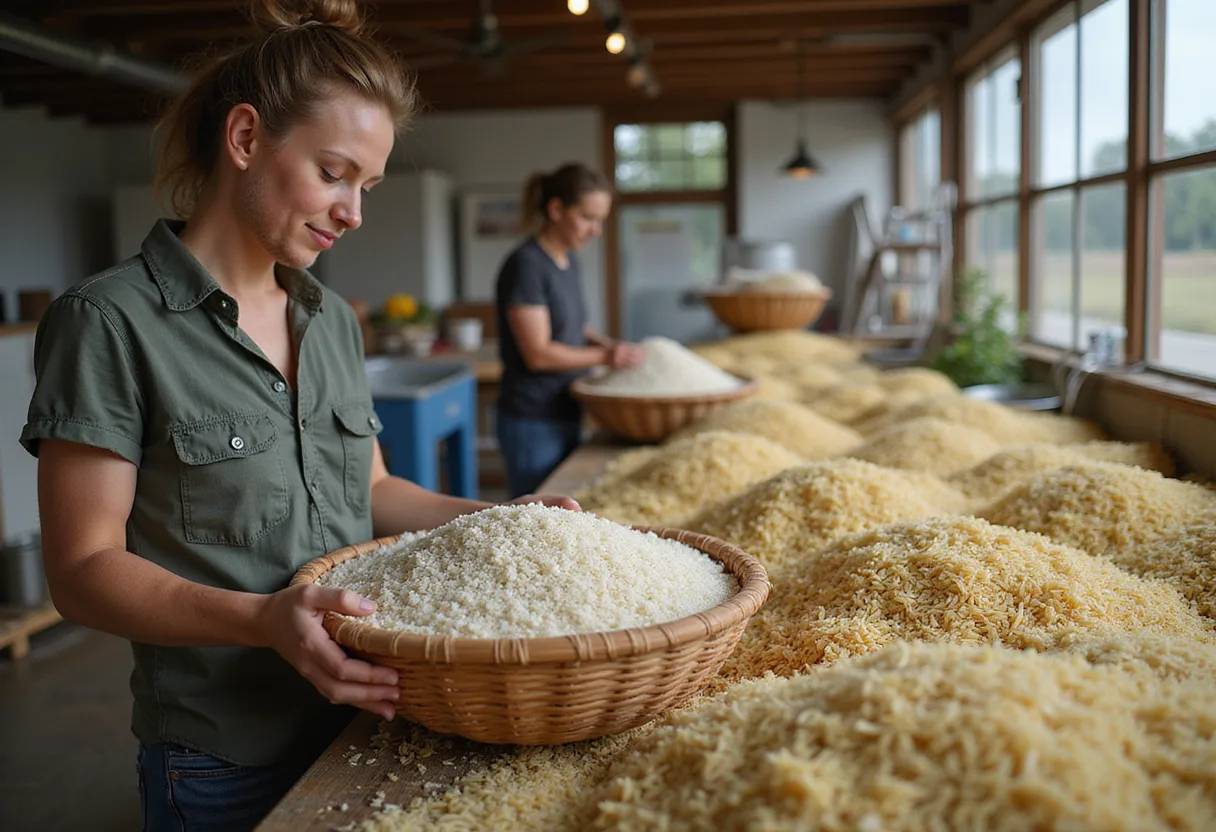
Terry Gray has grown jasmine rice long enough that he no longer treats it as an experiment. The Arkansas farmer considers the aromatic variety a proven crop on his operation, and he is now working to promote it across the United States — on two fronts at once.
Gray's pitch runs in parallel tracks. He advocates for the variety among farmers, who must weigh input costs, agronomic fit and market access before committing acres. And he promotes it among consumers, whose appetite ultimately determines whether handlers and mills pay a premium for jasmine over conventional long-grain.
Why one Arkansas farm matters
Arkansas is the country's leading rice-producing state, and what one established grower plants, proves out and endorses carries weight with neighbors making seed decisions for the next season. Gray's standing rests on repetition. He has grown jasmine rice before. He knows its behavior in the field, and he speaks about it from results rather than trials.
That distinction matters for growers. A variety promoted from a test plot invites caution. A variety promoted by a commercial farmer with harvested crops behind him invites a different kind of attention — the kind that moves from curiosity to acreage.
What does this change for growers and buyers?
For growers, the practical question is whether jasmine rice fits their rotation and their marketing channels. Gray's advocacy suggests the agronomic risk is manageable, because he frames the crop as proven on his own ground rather than speculative. For consumers and the buyers who supply them, his promotion effort signals that domestic jasmine supply is a live option, not merely an import story.
The dual audience is deliberate. Aromatic rice succeeds only when both sides move together: farmers need a market before they plant, and consumers need a product on the shelf before they buy it. Gray is working both ends of that chain at once.
A farmer-led case, not a forecast
It is worth separating what Gray's effort is from what it is not. This is a condition report from the field — one farmer's track record and his campaign to extend it. It is not a harvested acreage total, an export figure or a price series, and no such numbers attach to his push at this stage.
What it represents is grower confidence in a niche variety, expressed publicly. In row-crop markets, that is often the first signal that precedes wider adoption, as neighbors watch a proven operator and input makers, seed dealers and handlers take note of where demand discussion is heading.
Whether jasmine rice moves from Gray's proven acreage into broader U.S. plantings and grocery carts will depend on the response from both the farmers and the consumers he is now courting.
via Farm Progress (Source)
More from Marcus Bennett
Show full bio
Senior reporter covering regulation, policy and their impact on Agribusiness coverage for industry professionals at Agribusiness Wire.
410 articles
Also in the yard
- New Seed Agreement Aims to Expand Variety Options for Wisconsin Farms
- Wisconsin seed variety pact aims to widen grower choice
- Seed Industry Pins Outlook on Farm Bill and Trade Policy
- Strong Grain Prices Set to Underpin US Farmgate Fertiliser Demand
- Arkansas Rice Lands at 167 Bushels Per Acre as Heat Cuts Yield